"Parliament is at it again. The Khalwale-led PAC committee has once again recommended sanctions against public officers over the De la Rue money printing deals.
As its tradition, when the report comes before the House, the same committee members may backtrack on their recommendations, and other members may take partisan positions on the matter. Yet again, others will obfuscate, led by their personal interests, not in the least their rent-seeking behaviour.
It is not surprising for the committee to sanction former Finance Minister Amos Kimunya for his overt role in the De la Rue matter. The man has a knack for getting into trouble, and graft-induced controversy is his second nature. He exemplifies a class of voracious and greedy public officials who abuse their offices at every turn in total impunity.
His utter disdain for law and due process is shocking, as is his arrogance when dealing with everyone, including MPs. Yet, the same Parliament had him fired from the Finance docket only to bounce back in the cabinet a short while later, courtesy of his cosy relationship with State House.
De La Rue has always been a cash cow for the Executive. Whoever takes over the Finance docket develops a pecuniary interest in its contract and soon acts to vary the terms. Just a month to the 2002 elections, the Moi regime renewed its money printing contract for 10 years.
When the Narc team took over, then Finance Minister Hon Mwiraria immediately cancelled the contract and renegotiated another one. Then Kimunya came in, and called his shots too, and even convinced Cabinet that Government should buy shares in it! It has always been the same. Those who stand in the way, like former Deputy Governor Jacinta Mwatela, get fired.
Her boss, Governor Andrew Mulei, was bundled out ignominiously for defying Kimunya. Mwatela had her powers under the CBK Act curtailed so that she remained impotent on the matter. I remember Police being sent in to CBK one morning to intimidate her team on money laundering scam at one of the banks. CBK as an agent of the Treasury cannot be independent.
In its monetary policy, it may. However, the Treasury still has immense powers in the statutes to determine operational issues in the bank, including currency printing. MPs need to clip Minister’s wings at the bank first. Indeed, for CBK, the Treasury’s performance affects its mandate adversely. Take for instance the recent depreciation of the shilling.
CBK can only manipulate its monetary instruments to stabilise the shilling, including the interest rate, which is not favourable to the economy. However, that the fiscal policies by the Treasury largely contribute to the inadequacies of the supply side is often ignored.
Huge public spending, massive domestic borrowing and fiscal measures that impact on macro-economic indicators fall under their docket. But when the indicators like the value of the shilling and the exchange rate worsen, we tend to heap the blame on CBK.
The recent attempt by Parliament to have an external Presidential appointee to chair CBK’s board only serves to further undermine its independence. Currently, the governor is under no direct control of anyone as he chairs the Board, except as guided by the independent board members. But when serving under a board chaired by a political appointee, this independence will be greatly impaired.
On the De la Rue matter, the buck stops with the former minister, Kimunya. Not CBK Governor, merely accused of not telling Kimunya off! From the report, the bank did not play ball with the minister, but the latter invoked Cabinet decision to overrule it.
The company itself needs to be investigated because of its perceived role in paying kickbacks in its contract. Furthermore, we need to forget plans for a stake in this company, pursued by Kimunya under the pretext of keeping jobs. As always, MPs will get into the sideshows on the matter, play its sectarian politics and Kimunya will have the last laugh.
The writer is a former MP for Mandera Central and political economist". Courtesy of Digital Standard.
Monday, August 6, 2012

Tuesday, July 31, 2012
Proposed Vat increase is not a solution to an ailing economy, Billow Kerrow
"The VAT Bill expected in Parliament next week is likely to raise questions on the Government’s commitment in addressing the high cost of living that has driven nearly half the population below the poverty line.
The Bill will eliminate most zero-rated or exempt categories, and eliminate all other rates except the 16 per cent and zero-rate. The impact is a 16 per cent VAT rate on some basic commodities that enjoy zero-rate now, and a higher rate for others previously taxed at 12 per cent or lower. It all means, higher prices for basic goods.
The Treasury has long argued that zero-rating consumer goods has done little to cushion the poor, as the benefits rarely trickle down past the suppliers.
Prices of our staple foods have over the years gone up significantly despite the zero-rating, with marketers citing higher inputs and manufacturing costs. The Treasury and KRA believe other alternatives should be found to cushion the poor rather than erode the tax base. They do not mind zero-rating unprocessed goods, which is passed on to consumers.
Of course, Treasury may have a point. But raising VAT taxes is regressive and will hurt the poor more. Studies conducted recently by the Institute of Fiscal Studies when the UK Government raised VAT rates from to 20 per cent revealed that the bottom 30 per cent from income were hit twice as much as the top 10 per cent. In other words, it hit the poor twice as much as it hit the rich. The poor spend a higher percentage of their incomes on basic commodities than the rich.
The flip side of the VAT raise is why Treasury should be keen on collecting more revenue when it should have focused on fiscal discipline. Our Government lives ostentatiously large on taxpayers sweat.
There is a lot of wastage and extravagance of public resources by a bloated public service. Nearly 30 per cent of the budgeted expenditure is pilfered through procurement of goods and services.
There has been little or no attempts to restructure the public service to deliver greater productivity and cut consumption expenditure. The Government resorted to borrowing big time to sustain this life, with a resultant public debt of Sh1.5 trillion.
True, most countries use other measures to cushion the poor against rising cost of living. In US and Europe, it is the farmers who are subsidised.
We tried this by zero-rating or exempting agricultural tools and equipment, and inputs such as fertilisers. We also had cheap loans to farmers and write-off of farmers’ debts. It has not helped in reducing food prices or enhancing our food security. In developing countries, Governments usually resort to subsidising food prices by zero-rating the final products, a measure that Treasury believes is not working.
In Egypt, bread prices are subsidised by up to 96 per cent. In Ethiopia, food subsidies work pretty well, with a surcharge of 10 per cent on luxuries to finance it. No Government will enjoy legitimacy if its people are starving. Other alternatives do not work well in a country where corruption is high.
The Goldenberg scandal arose from export compensation payments to encourage mining. Although the ERC price control has worked well in capping fuel prices, the Government’s attempt to introduce two-price maize flour in 2009 failed. The current cash transfers and other safety net procedures to reach the poor have had a limited impact.
Programmes targeting have always been comprised. When slums are upgraded or houses are built for the poor, it is the rich who take it. Land settlement schemes for the landless end up with the rich.
Governments like taxing the low and middle income earners because it is easier to collect money from them. Taxes on capital or the rich are usually difficult to collect. But for the poor who already face a huge pressure finding a living, raising VAT on essential goods would be the worst thing to do.
The writer is a former MP for Mandera Central and political economist". Courtesy of Standard Digital.
The Bill will eliminate most zero-rated or exempt categories, and eliminate all other rates except the 16 per cent and zero-rate. The impact is a 16 per cent VAT rate on some basic commodities that enjoy zero-rate now, and a higher rate for others previously taxed at 12 per cent or lower. It all means, higher prices for basic goods.
The Treasury has long argued that zero-rating consumer goods has done little to cushion the poor, as the benefits rarely trickle down past the suppliers.
Prices of our staple foods have over the years gone up significantly despite the zero-rating, with marketers citing higher inputs and manufacturing costs. The Treasury and KRA believe other alternatives should be found to cushion the poor rather than erode the tax base. They do not mind zero-rating unprocessed goods, which is passed on to consumers.
Of course, Treasury may have a point. But raising VAT taxes is regressive and will hurt the poor more. Studies conducted recently by the Institute of Fiscal Studies when the UK Government raised VAT rates from to 20 per cent revealed that the bottom 30 per cent from income were hit twice as much as the top 10 per cent. In other words, it hit the poor twice as much as it hit the rich. The poor spend a higher percentage of their incomes on basic commodities than the rich.
The flip side of the VAT raise is why Treasury should be keen on collecting more revenue when it should have focused on fiscal discipline. Our Government lives ostentatiously large on taxpayers sweat.
There is a lot of wastage and extravagance of public resources by a bloated public service. Nearly 30 per cent of the budgeted expenditure is pilfered through procurement of goods and services.
There has been little or no attempts to restructure the public service to deliver greater productivity and cut consumption expenditure. The Government resorted to borrowing big time to sustain this life, with a resultant public debt of Sh1.5 trillion.
True, most countries use other measures to cushion the poor against rising cost of living. In US and Europe, it is the farmers who are subsidised.
We tried this by zero-rating or exempting agricultural tools and equipment, and inputs such as fertilisers. We also had cheap loans to farmers and write-off of farmers’ debts. It has not helped in reducing food prices or enhancing our food security. In developing countries, Governments usually resort to subsidising food prices by zero-rating the final products, a measure that Treasury believes is not working.
In Egypt, bread prices are subsidised by up to 96 per cent. In Ethiopia, food subsidies work pretty well, with a surcharge of 10 per cent on luxuries to finance it. No Government will enjoy legitimacy if its people are starving. Other alternatives do not work well in a country where corruption is high.
The Goldenberg scandal arose from export compensation payments to encourage mining. Although the ERC price control has worked well in capping fuel prices, the Government’s attempt to introduce two-price maize flour in 2009 failed. The current cash transfers and other safety net procedures to reach the poor have had a limited impact.
Programmes targeting have always been comprised. When slums are upgraded or houses are built for the poor, it is the rich who take it. Land settlement schemes for the landless end up with the rich.
Governments like taxing the low and middle income earners because it is easier to collect money from them. Taxes on capital or the rich are usually difficult to collect. But for the poor who already face a huge pressure finding a living, raising VAT on essential goods would be the worst thing to do.
The writer is a former MP for Mandera Central and political economist". Courtesy of Standard Digital.
Monday, July 23, 2012
Lack of commitment to matters of integrity our Achilles’ heel, Billow Kerrow
"‘Gone baby gone!’ screamed our media as the enigmatic Miguna left the country in a huff amid calls for a statement by police on his allegations. It was an anti-climax of sorts. He threw down the gauntlet, but could not face his opponents that he so dramatically dared to the ring. Did he run away as a fugitive, or did he fear for his safety?
Whatever the reason, the anxiety and euphoria created by his book died with his departure. As is our tradition, there will be no desire by Government to investigate some of the outlandish allegations in his book, and by end month, no one will recall the book or the man.
The Kiswahili say ‘kikulacho ki nguoni mwako’. Our leaders should know that they are watched by all, through the eyes of their close ones, be it family members or advisors. History is replete with leaders turning on their advisors, or vice versa.
They know the workings of the ‘kitchen cabinet’ that usually run the State, and a fall out invariably leads to spilling the beans. In the Western world, this is usually done through memoirs as Miguna did.
John Githongo was a special advisor to President Kibaki and had to leave the country after he spilled the beans about corruption among the President’s men. He was accused of all manner of ills and was not spared even as he stayed put in the UK.
We see a similar script in Miguna’s case too. He is now accused of being a fugitive from law, a hireling guilty of all manner of sins too. Githongo was a whistleblower, and so is Miguna. Some may argue that there is dissimilarity in circumstances as Miguna was largely driven by malice and vengeance after he was fired.
However, whatever the motivation, he blew the whistle too on corruption in the PM’s office. But sadly, little has changed since the Githongo dossier went public in 2004. The Public Accounts Committee report and recommendations on the Githongo dossier was adopted by Parliament, but lies unimplemented on the shelves.
There is growing intimidation of whistleblowers, whether it is about corruption, narcotics or ethnic violence. Fear of retribution has forced most potential whistleblowers to silence, and those who gave evidence to investigators have been forced to relocate elsewhere. In all cases, the Government has shown little or no interest in protecting whistleblowers.
True, the democratic space has widened since the Githongo days. The media and Parliament have continuously revealed grand corruption and abuse of office. But the Executive has patented a standard response mechanism, where the official ‘steps aside’ pending investigations, and resumes office months later after being ‘cleared’. The reports clearing them are never made public; hardly any convictions ever take place.
For many Kenyans, the Leadership and Integrity bill now before the CICK that is intended to give effect to Chapter Six of the Constitution should cure the ills of integrity and lack of ethics that bedevil our leadership.
The draft sets out to regulate public trust, responsibility and duty; transparency and accountability, financial integrity, conflict of interest, political neutrality and professionalism among other things in order to set standards for good leadership and integrity in the public service. Many people still think the Bill lacks the punch.
It also does not deal with situations like those of cases before the ICC, leaders with corruption cases in court, individuals and corporations adversely mentioned or blacklisted in parliamentary committee reports: individuals expelled from professional bodies on questions of integrity or the Githongo/Miguna kind of revelations. It does not attempt to bar elective office seekers, except those convicted by a court.
As expected, the Bill encourages whistleblowers and pledges protection and reward, an offer unlikely to attract attention. However, it is unlikely too that our leaders will rise to the occasion and pass the Bill even in its current innocuous form. Lack of commitment to matters of integrity and good governance by those at the top has been our Achilles’ Heels. But the struggle must go on.
The writer is a former MP for Mandera Central and political economist". Courtesy of Standard Digital.
Whatever the reason, the anxiety and euphoria created by his book died with his departure. As is our tradition, there will be no desire by Government to investigate some of the outlandish allegations in his book, and by end month, no one will recall the book or the man.
The Kiswahili say ‘kikulacho ki nguoni mwako’. Our leaders should know that they are watched by all, through the eyes of their close ones, be it family members or advisors. History is replete with leaders turning on their advisors, or vice versa.
They know the workings of the ‘kitchen cabinet’ that usually run the State, and a fall out invariably leads to spilling the beans. In the Western world, this is usually done through memoirs as Miguna did.
John Githongo was a special advisor to President Kibaki and had to leave the country after he spilled the beans about corruption among the President’s men. He was accused of all manner of ills and was not spared even as he stayed put in the UK.
We see a similar script in Miguna’s case too. He is now accused of being a fugitive from law, a hireling guilty of all manner of sins too. Githongo was a whistleblower, and so is Miguna. Some may argue that there is dissimilarity in circumstances as Miguna was largely driven by malice and vengeance after he was fired.
However, whatever the motivation, he blew the whistle too on corruption in the PM’s office. But sadly, little has changed since the Githongo dossier went public in 2004. The Public Accounts Committee report and recommendations on the Githongo dossier was adopted by Parliament, but lies unimplemented on the shelves.
There is growing intimidation of whistleblowers, whether it is about corruption, narcotics or ethnic violence. Fear of retribution has forced most potential whistleblowers to silence, and those who gave evidence to investigators have been forced to relocate elsewhere. In all cases, the Government has shown little or no interest in protecting whistleblowers.
True, the democratic space has widened since the Githongo days. The media and Parliament have continuously revealed grand corruption and abuse of office. But the Executive has patented a standard response mechanism, where the official ‘steps aside’ pending investigations, and resumes office months later after being ‘cleared’. The reports clearing them are never made public; hardly any convictions ever take place.
For many Kenyans, the Leadership and Integrity bill now before the CICK that is intended to give effect to Chapter Six of the Constitution should cure the ills of integrity and lack of ethics that bedevil our leadership.
The draft sets out to regulate public trust, responsibility and duty; transparency and accountability, financial integrity, conflict of interest, political neutrality and professionalism among other things in order to set standards for good leadership and integrity in the public service. Many people still think the Bill lacks the punch.
It also does not deal with situations like those of cases before the ICC, leaders with corruption cases in court, individuals and corporations adversely mentioned or blacklisted in parliamentary committee reports: individuals expelled from professional bodies on questions of integrity or the Githongo/Miguna kind of revelations. It does not attempt to bar elective office seekers, except those convicted by a court.
As expected, the Bill encourages whistleblowers and pledges protection and reward, an offer unlikely to attract attention. However, it is unlikely too that our leaders will rise to the occasion and pass the Bill even in its current innocuous form. Lack of commitment to matters of integrity and good governance by those at the top has been our Achilles’ Heels. But the struggle must go on.
The writer is a former MP for Mandera Central and political economist". Courtesy of Standard Digital.
Sunday, July 15, 2012
Reform pledges must be taken with a pinch of salt by Billow Kerrow
"You can call it peer jealousy, or it is simply reforms rhetoric of the Kenyan kind. The G7 team has mounted all its guns on Raila Odinga’s reform campaign platform. His two horse race analogy, of the horse of reforms vs the horse of status quo and impunity, has drawn unusually sharp criticisms from all the other presidential hopefuls, long united as his foe. But his former aide Miguna Miguna’s book serialisation could not have come at a worse time for the ‘enigmatic’ man in Kenya’s politics.
Miguna’s statement that the PM’s office ‘was a swamp of corruption’ energised the G7 team to come out with guns blazing. From maize scam to oil deals, Miguna reveals the usual tolerance for high graft in the lofty halls of power, and the PM’s office was no exception. Miguna was flabbergasted by the Raila team’s ‘it is our turn to eat’ culture, though he never bothered leaving their company.
In her book, It’s Our Turn to Eat, Michela Wrong avers that Raila’s men were hopeful of ‘their time’ even as they voted in 2007. After the vote rigging, she says Raila’s men were ‘royally screwed’ and robbed of their ‘rightful turn at the trough’.
Ironically, in the 2003 Narc regime of the Anglo Leasing fame, Raila was also part of the Rainbow Coalition that did awfully little to tame their coalition partner’s avarice, except to accuse the Kibaki set that ‘there is a snake in the nest’.
In the Grand Coalition Government, accountability is not on test, and there is hardly anyone watching the till. Both sides have implicitly agreed to live the adage that ‘those living in glass houses should not throw stones’. Official opposition does not exist, and the civil society of yester years is largely subsumed in Government.
Edward Clay’s rumble in 2004 that ‘the practitioners now in Government have the arrogance, greed and a desperate sense of panic to lead them to eat like gluttons’ may well fit the current situation.
Pledges to fight graft and impunity by our leaders must be taken with a pinch of salt. All have a stink, if only by sheer dint of being in the company of the villains. None wants to raffle feathers when necessary. Take this week’s issues for instance: Parliament’s revelation of the Sh98 billion book-keeping blunders by the Treasury, the contemptuous County Commissioners snub of the courts and the Kabuga official cover-up. How many leaders would rise to the occasion and demand action? Awfully few!
But Raila would. And this is why he waves the reforms card. Unlike his G7 foes, he would tread where they won’t dare. Give the devil his due. It may be plain rhetoric, to be populist, or to settle political scores. In the court of public opinion, it counts. Silence means weakness against impunity, or simply complicity.
In Babafemi Badejo’s biography of Raila, An Enigma in Kenyan Politics, he says ‘Raila was not found wanting in the struggle for multi-party order in Kenya, and that his many years stint in jails in this regard endeared him to Kenyans’.
True, he fought for political freedoms. But the meaningful reforms we want tomorrow has to do with economic reforms, leadership integrity and good governance.
If Miguna’s tales are anything to go by, Raila’s reform card hardly inspires Kenyans in this regard. No wonder then that the G7 conformist team prefer placing him in their ranks too.
The message is clear: The ‘reform’ platform irks them, and to hell with issue-based politics. All our leaders were weaned on Kanu culture, and old habits die hard. After all, Kenyan voters are gullible.
When Githongo spilled the beans on the Anglo Leasing scam, Ms Wrong says the Mt Kenya Mafia told her ‘you cannot burn the House of Mumbi to kill a rat’. Hopefully, Luos won’t gag Miguna. Let’s have more please, Miguna!
The writer is a former MP for Mandera Central and political economist." Courtesy of Standard Digital.
Miguna’s statement that the PM’s office ‘was a swamp of corruption’ energised the G7 team to come out with guns blazing. From maize scam to oil deals, Miguna reveals the usual tolerance for high graft in the lofty halls of power, and the PM’s office was no exception. Miguna was flabbergasted by the Raila team’s ‘it is our turn to eat’ culture, though he never bothered leaving their company.
In her book, It’s Our Turn to Eat, Michela Wrong avers that Raila’s men were hopeful of ‘their time’ even as they voted in 2007. After the vote rigging, she says Raila’s men were ‘royally screwed’ and robbed of their ‘rightful turn at the trough’.
Ironically, in the 2003 Narc regime of the Anglo Leasing fame, Raila was also part of the Rainbow Coalition that did awfully little to tame their coalition partner’s avarice, except to accuse the Kibaki set that ‘there is a snake in the nest’.
In the Grand Coalition Government, accountability is not on test, and there is hardly anyone watching the till. Both sides have implicitly agreed to live the adage that ‘those living in glass houses should not throw stones’. Official opposition does not exist, and the civil society of yester years is largely subsumed in Government.
Edward Clay’s rumble in 2004 that ‘the practitioners now in Government have the arrogance, greed and a desperate sense of panic to lead them to eat like gluttons’ may well fit the current situation.
Pledges to fight graft and impunity by our leaders must be taken with a pinch of salt. All have a stink, if only by sheer dint of being in the company of the villains. None wants to raffle feathers when necessary. Take this week’s issues for instance: Parliament’s revelation of the Sh98 billion book-keeping blunders by the Treasury, the contemptuous County Commissioners snub of the courts and the Kabuga official cover-up. How many leaders would rise to the occasion and demand action? Awfully few!
But Raila would. And this is why he waves the reforms card. Unlike his G7 foes, he would tread where they won’t dare. Give the devil his due. It may be plain rhetoric, to be populist, or to settle political scores. In the court of public opinion, it counts. Silence means weakness against impunity, or simply complicity.
In Babafemi Badejo’s biography of Raila, An Enigma in Kenyan Politics, he says ‘Raila was not found wanting in the struggle for multi-party order in Kenya, and that his many years stint in jails in this regard endeared him to Kenyans’.
True, he fought for political freedoms. But the meaningful reforms we want tomorrow has to do with economic reforms, leadership integrity and good governance.
If Miguna’s tales are anything to go by, Raila’s reform card hardly inspires Kenyans in this regard. No wonder then that the G7 conformist team prefer placing him in their ranks too.
The message is clear: The ‘reform’ platform irks them, and to hell with issue-based politics. All our leaders were weaned on Kanu culture, and old habits die hard. After all, Kenyan voters are gullible.
When Githongo spilled the beans on the Anglo Leasing scam, Ms Wrong says the Mt Kenya Mafia told her ‘you cannot burn the House of Mumbi to kill a rat’. Hopefully, Luos won’t gag Miguna. Let’s have more please, Miguna!
The writer is a former MP for Mandera Central and political economist." Courtesy of Standard Digital.
Monday, July 9, 2012
Terrorism Bill will violate fundamental human rights by Billow Kerrow
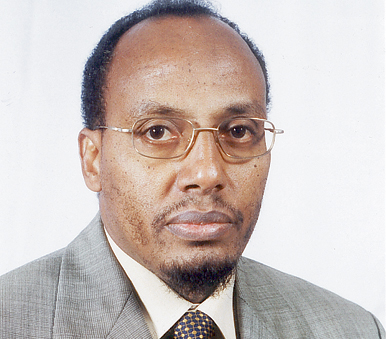 |
| Hon. Billow Kerrow |
The Anti-Terrorism Police Unit has had minimal convictions against suspects. But the Unit has often been accused of illegal rendition of suspects, mostly Kenyans, to the US, Ethiopia, Somalia and Uganda; literary kidnapping people and spiriting them out of the country at night.
Muslims have complained of incessant harassment, arbitrary arrests, illegal detention and torture, among other human rights abuses, especially in Nairobi and Mombasa.
Ever since the enactment of the US Patriot Act in 2001, the war on terror has degenerated into an attrition of human rights globally. Criticisms of gross violation of human rights of suspects abound globally. The UN has decried the cruel, inhuman and degrading treatment of suspects and the rollback of civil rights of people in many countries under the guise of fighting terrorism.
Barely three months ago, several independent UN groups criticised Ethiopia for using anti-terrorism laws to convict three journalists and two opposition politicians to 14 years in prison. The proposed Prevention of Terrorism Bill 2012 establishes a legal framework for detection, prevention, investigation and punishment of terrorism.
But it is fundamentally flawed, and inconsistent with the Constitution. Government did not seek public participation in its drafting, instead hoping to take advantage of the current anxiety about terrorist attacks.
Terrorist act is given the widest possible definition, and includes the mere threat of action. Usual penal code offences such as murder, serious bodily harm to a person, arson, environmental pollution, intimidation, incitement, etc will be terrorist acts under this law.
It criminalises any form of activism and public dissent to compel Government ‘to do, or refrain from doing any act’, stifling the simple freedom to picket or demonstrate, unless such a ‘protest, demonstration or stoppage of work is not intended to result in any harm’.
As usual, it includes the often-abused, vague term of any ‘prejudice to national security or public safety’ and strangely ‘any act or threat of action intended to intimidate the public’ whatever that means.
The Bill waives the constitutional right to presumption of innocence until proven guilty. The burden of proof will be on a balance of probability and is on the suspect to prove his or her innocence in court, rather than the prosecution. You are guilty once you become a suspect.
Under section 29, the Bill limits ‘the rights and fundamental freedoms of a person or an entity’ under investigation, including the ‘right to privacy, freedom of expression, freedom of the media, freedom of conscience, religion, belief and the right to property’.
The right to a fair trial is curtailed, and the Bill creates offences that require no proof of intention or motive. Mere possession of an article connected with a terrorist is an offence! >>more at Standard Digital.
Sunday, July 8, 2012
How our Parliament is undermining its own dignity by Billow Kerrow
"Many Kenyans have complained that Parliament was not up to speed in operationalising the Constitution as it had failed to meet several deadlines for enactment of various legislations. In some instances, internal wrangles in the Coalition simply made it difficult for such legislation to be tabled or debated. Partisan interests by the MPs have in other instances undermined speedy enactment of Bills, leading to MPs working overtime to pass Bills with evident errors.
To their embarrassment, the President this week threw out the omnibus Statutes Law (Miscellaneous) Amendment Bill 2012 provisions on party hopping and nomination of presidential vote losers that were ultra vires the Constitution. Several civil society groups had threatened to go to court to challenge these provisions amid public outcry. MPs failed to read public mood on matters constitutional, and were obsessed with self-preservation. Regrettably, the AG who is the principal legal advisor to the Government approved the proposals.
But it is not just in matters of the Constitution that the House is ridiculing itself these days. It is now the in-thing to throw out its own committee reports to shield its members, or to simply ignore or slight such reports for political expediency. This week, MPs rejected the Health Committee report on alleged irregularities on the rollout of the civil servants medical scheme. After spending months examining the scheme, the committee had concluded that the scheme should continue despite some irregularities in payments to certain clinics, but recommended that two ministers be investigated alongside several other State officials. I read the report and found it poorly drafted, and some of the recommendations were not supported by evidence in the main body of the report.
Nonetheless, the MPs simply threw out everything making the committee’s report an investigation that never was. Watching the debate in the House, it was clear some members, including committee members, did not even appreciate how the scheme worked. Minister Dalmas Otieno who was recommended for further investigation had to take time to explain his ministry’s involvement as the client for NHIF, and how the latter won competitively in the bid for the scheme. To some MPs, it was news that it is the Public Service ministry that owns the scheme and that NHIF was merely a contractor.
But the Budget Committee did a good job in its report on the Estimates of Revenue and Expenditure for 2012/2013 of June 6. They raised major concerns on the way Treasury crafts its budget incrementally and that it is was ‘business as usual’. Specifically, the committee noted how Treasury has rendered the Budget Policy Statement a meaningless ‘document of the willing’. Printed Estimates differed substantially from the Budget Policy Statement published only nine days apart, by over Sh200 billion. Yet, the Statement ‘strengthens the link between policy, planning and allocation of resources and should inform the printed Estimates’.
They challenged the lack of fiscal responsibility that is driving the budget deficit and the resultant huge public debt, and called for a halt to budget deficit and a focus on priorities and shedding off non-priority expenditure. The committee decried the rising public debt that now stands at 51 per cent of the GDP and went on and on. However, on June 21, the House passed a vote on account for Sh424 billion without even receiving the Appropriations Bill.
And on June 28, after meeting the Treasury team to allow some adjustments by the committee, the House approved the final Appropriations Bill for the full budget, well before the start of the financial year. And in the process, the vote on account for each ministry was altogether abandoned. Well, for all their sweet report earlier, when it came to crunch time, as usual they threw in the towel.
The writer is a former MP for Mandera Central and political economist." Courtesy of Standard Digital.
Our comment: Billow Kerrow is an honest political economist who fights for the heart and soul of Kenya. Kudos Mr. Kerrow, keep up the struggle. We are very concerned as American citizens why we've to give Kenya economic aid without demanding something be done about the rampant corruption and economic deprivation of a majority of its citizens.
To their embarrassment, the President this week threw out the omnibus Statutes Law (Miscellaneous) Amendment Bill 2012 provisions on party hopping and nomination of presidential vote losers that were ultra vires the Constitution. Several civil society groups had threatened to go to court to challenge these provisions amid public outcry. MPs failed to read public mood on matters constitutional, and were obsessed with self-preservation. Regrettably, the AG who is the principal legal advisor to the Government approved the proposals.
But it is not just in matters of the Constitution that the House is ridiculing itself these days. It is now the in-thing to throw out its own committee reports to shield its members, or to simply ignore or slight such reports for political expediency. This week, MPs rejected the Health Committee report on alleged irregularities on the rollout of the civil servants medical scheme. After spending months examining the scheme, the committee had concluded that the scheme should continue despite some irregularities in payments to certain clinics, but recommended that two ministers be investigated alongside several other State officials. I read the report and found it poorly drafted, and some of the recommendations were not supported by evidence in the main body of the report.
Nonetheless, the MPs simply threw out everything making the committee’s report an investigation that never was. Watching the debate in the House, it was clear some members, including committee members, did not even appreciate how the scheme worked. Minister Dalmas Otieno who was recommended for further investigation had to take time to explain his ministry’s involvement as the client for NHIF, and how the latter won competitively in the bid for the scheme. To some MPs, it was news that it is the Public Service ministry that owns the scheme and that NHIF was merely a contractor.
But the Budget Committee did a good job in its report on the Estimates of Revenue and Expenditure for 2012/2013 of June 6. They raised major concerns on the way Treasury crafts its budget incrementally and that it is was ‘business as usual’. Specifically, the committee noted how Treasury has rendered the Budget Policy Statement a meaningless ‘document of the willing’. Printed Estimates differed substantially from the Budget Policy Statement published only nine days apart, by over Sh200 billion. Yet, the Statement ‘strengthens the link between policy, planning and allocation of resources and should inform the printed Estimates’.
They challenged the lack of fiscal responsibility that is driving the budget deficit and the resultant huge public debt, and called for a halt to budget deficit and a focus on priorities and shedding off non-priority expenditure. The committee decried the rising public debt that now stands at 51 per cent of the GDP and went on and on. However, on June 21, the House passed a vote on account for Sh424 billion without even receiving the Appropriations Bill.
And on June 28, after meeting the Treasury team to allow some adjustments by the committee, the House approved the final Appropriations Bill for the full budget, well before the start of the financial year. And in the process, the vote on account for each ministry was altogether abandoned. Well, for all their sweet report earlier, when it came to crunch time, as usual they threw in the towel.
The writer is a former MP for Mandera Central and political economist." Courtesy of Standard Digital.
Our comment: Billow Kerrow is an honest political economist who fights for the heart and soul of Kenya. Kudos Mr. Kerrow, keep up the struggle. We are very concerned as American citizens why we've to give Kenya economic aid without demanding something be done about the rampant corruption and economic deprivation of a majority of its citizens.
Could true and honest leaders stand up to be counted? by Billow Kerrow
"The more things change, the more they remain the same. This week provided a stark reminder of this galling adage of the conformists. MPs made a raft of changes to the Political Parties Act and the Elections Act that sought to reverse gains in the new dispensation. The move serves to short-change Kenyans’ aspirations and rekindle the dying ebb of impunity in public leadership. In Parliament, Finance Minister Njeru Githae circumvented constitutional provisions and drew half his budget provisions, as tactless MPs marvelled at his prowess and largesse.
They tried, unsuccessfully, to amend the law to allow presidential candidates to simultaneously vie for other elective seats, for soft landing. The MPs however passed amendments that would see these presidential candidates included in party lists for nominated seats.
This amendment may be challenged in court as the seats are specifically reserved for the minorities, the disabled, the youth and the marginalised; and certainly not political rejects. If you go for the top seat, be prepared to go home if you lose and graze cattle, as they do in the US or Europe. We cannot reward failures. If candidates cannot stand the heat, they should get out of the kitchen.
The House also passed amendments allowing MPs to defect across political parties until two months before the election. Of course, political parties in Kenya are now nothing more than political vehicles for elective posts during campaigns, after which they are dumped. It is fashionable to change parties as often as you change diapers, as ideology does not count anymore. Our party affiliations are about how deep the pocket is, and generosity of its benefactor’s runs. If you don’t like a party, you can ship out, but not days to the election after one loses in the primaries.
MPs unwittingly shot themselves in the foot though, when they raised academic qualifications for parliamentary and other elective offices to university degree. Most do not read the Bills before the House, and merely vote. It is this group, numbering over 80 MPs, that realised too late that they voted themselves into retirement. President Kibaki should not entertain their belated attempt to retract the amendment. The case for university qualification is overdue. A nation cannot grow a vibrant democracy and achieve an emerging economy status when its leadership is incompetent. Quite often, we have seen some of our MPs express profound ignorance about important national blueprints such as Vision 2030, let alone understand complex reports they come across daily in their oversight role over the Executive. There are also the many fraudulent transactions of the Anglo-Leasing, Goldenburg, Tokyogate or FPE scams type they purport to investigate.
And even more significant is their new role in recruiting and/or vetting senior public appointments; they have been poring over university degree qualifications and professional experiences of the interviewees and announcing ‘meritorious’ appointments. MPs will need to engage over-skilled technocrats, and highly educated and sophisticated public workforce in their duties. From next year, they will be required to hold to account a front bench of professionals and technocrats. Clearly, they will not be equal to the task if they are not schooled. True, leadership skills and integrity are not resident in graduates. Many academics in Parliament have only proved their mediocrity through sycophancy and unparalleled ignorance of national good. Well-heeled elite have only perfected professional misconduct and engaged in brazen raid of the public conscience. The public will be forgiven if they do not notice the difference between these learned MPs and those they want to bundle out. Nonetheless, MPs must lead from the front. They encourage learning in their constituencies, and vote the largest cash for education. They must not encourage mediocrity. That amendment must stand.
All the other changes need to be reversed, and quickly. The President must not allow what was a great political dispensation he midwifed to be rubbished by a political elite driven by unbridled greed.
The writer is a former MP for Mandera Central and political economist." Courtesy of Standard Digital.
They tried, unsuccessfully, to amend the law to allow presidential candidates to simultaneously vie for other elective seats, for soft landing. The MPs however passed amendments that would see these presidential candidates included in party lists for nominated seats.
This amendment may be challenged in court as the seats are specifically reserved for the minorities, the disabled, the youth and the marginalised; and certainly not political rejects. If you go for the top seat, be prepared to go home if you lose and graze cattle, as they do in the US or Europe. We cannot reward failures. If candidates cannot stand the heat, they should get out of the kitchen.
The House also passed amendments allowing MPs to defect across political parties until two months before the election. Of course, political parties in Kenya are now nothing more than political vehicles for elective posts during campaigns, after which they are dumped. It is fashionable to change parties as often as you change diapers, as ideology does not count anymore. Our party affiliations are about how deep the pocket is, and generosity of its benefactor’s runs. If you don’t like a party, you can ship out, but not days to the election after one loses in the primaries.
MPs unwittingly shot themselves in the foot though, when they raised academic qualifications for parliamentary and other elective offices to university degree. Most do not read the Bills before the House, and merely vote. It is this group, numbering over 80 MPs, that realised too late that they voted themselves into retirement. President Kibaki should not entertain their belated attempt to retract the amendment. The case for university qualification is overdue. A nation cannot grow a vibrant democracy and achieve an emerging economy status when its leadership is incompetent. Quite often, we have seen some of our MPs express profound ignorance about important national blueprints such as Vision 2030, let alone understand complex reports they come across daily in their oversight role over the Executive. There are also the many fraudulent transactions of the Anglo-Leasing, Goldenburg, Tokyogate or FPE scams type they purport to investigate.
And even more significant is their new role in recruiting and/or vetting senior public appointments; they have been poring over university degree qualifications and professional experiences of the interviewees and announcing ‘meritorious’ appointments. MPs will need to engage over-skilled technocrats, and highly educated and sophisticated public workforce in their duties. From next year, they will be required to hold to account a front bench of professionals and technocrats. Clearly, they will not be equal to the task if they are not schooled. True, leadership skills and integrity are not resident in graduates. Many academics in Parliament have only proved their mediocrity through sycophancy and unparalleled ignorance of national good. Well-heeled elite have only perfected professional misconduct and engaged in brazen raid of the public conscience. The public will be forgiven if they do not notice the difference between these learned MPs and those they want to bundle out. Nonetheless, MPs must lead from the front. They encourage learning in their constituencies, and vote the largest cash for education. They must not encourage mediocrity. That amendment must stand.
All the other changes need to be reversed, and quickly. The President must not allow what was a great political dispensation he midwifed to be rubbished by a political elite driven by unbridled greed.
The writer is a former MP for Mandera Central and political economist." Courtesy of Standard Digital.
Saturday, July 7, 2012
The row over Kadhi’s courts is much ado about nothing by Billow Kerrow
"On a hot, Friday afternoon in early 1999, a frail, old man walked into the NSSF offices of the Presidential Commission on Harmonisation of Terms and Conditions of Service of Public Servants in which I served as a commissioner.
He had arrived a short while earlier by bus from Mombasa, and had walked all the way from River Road bus terminal, carrying a small plastic paper bag full of documents. He introduced himself as the Chief Kadhi. We were taken aback, as we all thought the Chief Kadhi was a senior judge who would jet in and be chauffeur driven, with bodyguards in tow.
His submission to the commission was hand-written. He said he had an old typewriter in his office, one copy typist and a clerk who handles two registries, one for the Chief Kadhi and the other for all the other kadhis. He had no other staff, and had no computer, filing cabinets, official car or other trappings of a modest public office. He acted as both the Chief Kadhi and the Kadhi of Mombasa.
There are 17 kadhis nationwide, in addition to the Chief Kadhi still based in Mombasa. Majority of kadhis are Form Four leavers with little or no formal training in Islamic or secular law, and join the service as third class magistrates equivalents of sh25,000 salary.
The total budget of the Kadhi’s courts for 2009/10 is just about Sh10 million. The Chief Kadhi is at Job Group P, a grade lower than the Chief Magistrate but on the same salary grade as a senior executive secretary at the High Court. Kadhis are in Job Group J, earning just under Sh25,000 per month, and in the same salary grade as junior accountants, librarians and water bailiffs in the Magistrate’s Courts. These are the Kadhi’s courts, which the Churches allege have placed Islam above other religions, and are creating a financial burden on the Government.
The Church does not have the authority to challenge the constitutional rights of other faithful. It cannot blow hot and cold on secular order when it rejects Kadhi’s courts as religious, yet argue against abortion and homosexuality on the same religious grounds. How far can we separate the Church and the State?
Protection of minority rights is not a privilege, and is not subjected to the wishes of the majority. It is also not correct to say that the constitution must of necessity apply equally to all Kenyans as there are several provisions giving special rights and privileges to certain communities, areas, women, and various sectors of the society.
To begrudge the inclusion of the Kadhi’s courts is much ado about nothing.
—The writer chairs the Religious Affairs Committee at Jamia Mosque, Nairobi. Courtesy of Standard Digital.
He had arrived a short while earlier by bus from Mombasa, and had walked all the way from River Road bus terminal, carrying a small plastic paper bag full of documents. He introduced himself as the Chief Kadhi. We were taken aback, as we all thought the Chief Kadhi was a senior judge who would jet in and be chauffeur driven, with bodyguards in tow.
His submission to the commission was hand-written. He said he had an old typewriter in his office, one copy typist and a clerk who handles two registries, one for the Chief Kadhi and the other for all the other kadhis. He had no other staff, and had no computer, filing cabinets, official car or other trappings of a modest public office. He acted as both the Chief Kadhi and the Kadhi of Mombasa.
There are 17 kadhis nationwide, in addition to the Chief Kadhi still based in Mombasa. Majority of kadhis are Form Four leavers with little or no formal training in Islamic or secular law, and join the service as third class magistrates equivalents of sh25,000 salary.
The total budget of the Kadhi’s courts for 2009/10 is just about Sh10 million. The Chief Kadhi is at Job Group P, a grade lower than the Chief Magistrate but on the same salary grade as a senior executive secretary at the High Court. Kadhis are in Job Group J, earning just under Sh25,000 per month, and in the same salary grade as junior accountants, librarians and water bailiffs in the Magistrate’s Courts. These are the Kadhi’s courts, which the Churches allege have placed Islam above other religions, and are creating a financial burden on the Government.
The Church does not have the authority to challenge the constitutional rights of other faithful. It cannot blow hot and cold on secular order when it rejects Kadhi’s courts as religious, yet argue against abortion and homosexuality on the same religious grounds. How far can we separate the Church and the State?
Protection of minority rights is not a privilege, and is not subjected to the wishes of the majority. It is also not correct to say that the constitution must of necessity apply equally to all Kenyans as there are several provisions giving special rights and privileges to certain communities, areas, women, and various sectors of the society.
To begrudge the inclusion of the Kadhi’s courts is much ado about nothing.
—The writer chairs the Religious Affairs Committee at Jamia Mosque, Nairobi. Courtesy of Standard Digital.
Friday, July 6, 2012
Matemo, welcome to the ceasefire in the war on corruption, Billow Kerrow
"Welcome on board Mr Mumo Matemo! Our anti-corruption war is in a ceasefire. The undeclared truce hardly the result of any difficult negotiation between the grand corruption mafia and the citizens but forced by the lack of political will to engage in the batlle.
Any war, including the current one on Al Shabaab, requires commitment at the top and unwavering support by the citizens so that the state machinery is morally inspired and fully resourced to fight to death.
Corruption impoverishes millions and takes many innocent lives through theft of public resources meant for essential service delivery, development projects, maize for the poor, drugs for the sick, school funds, etc
However, Ethics and Anti-Corruption Commission (EACC) is not a Kenya Defence Force type powerhouse raring to go to war but an Amisom type outfit that the Government prefers should keep peace in the anti-corruption battle ground.
Previous heads of this ‘peacekeeping’ force were hounded out of office for either not keeping the peace, or worse still, for keeping it!
It will not even be a ‘Mumo’ wrestling match that rankles folks; we all love it but only if we or our friends are not in or near the ring. As the Yankees say, you are damned if you do it, and damned if you don’t!
The anti-graft war is at a crossroads. The top leaders lack the political will to enforce the mythical zero tolerance. The political class abhors the war that they feel targets them, just when they need resources to oil their campaigns. The ordinary citizens are fatigued by a fruitless war that only cages petty thieves.
The donors are grudgingly content with refund of their stolen funds. The civil society barks less often, convinced that the political reforms would enhance accountability.
Commitment and motivation at EACC is at its lowest ebb as staff await their fate in the pending vetting. And above all, the EACC Act significantly weakened the mandate and powers of the institution.
Just as Mr Matemo and his two commissioners were nominated, Transparency International ranked Kenya as one of the most corrupt countries in the world, at position 154 out of 182 countries. Not surprisingly and as usual, we are in the same super league as Zimbabwe and other nearly ‘failed’ states.
It is a coveted position that we have held on to in recent years. Thanks to the rhetorical ‘commitment’ to the graft war by the Coalition Government, we are stuck in a rat race. The more we fight corruption, the less the impact it seems, and the higher the prevalence and bribery rates.
On the same day, the Chief Justice shocked the nation by his exposure of the shoddy construction work at Milimani Law Courts. The building cost billions to repair but was falling apart barely a year into its occupation.
Parliament was conducting an inquiry to unravel the rot in the Lands Ministry that precipitated the Syokimau demolitions in which Kenyans may have lost billions to fraudsters. Earlier, the PM stunned MPs with his casual admission that the Government now simply refunds donors if their money is misappropriated; the figure is now nearly Sh3 billion this year alone!
The private sector is not spared too. The Price Waterhouse Coopers just released a gloomy report that placed Kenya at the top of the world with the highest level of economic crimes, particularly in procurement fraud and theft of money and other assets.
Among the corporate entities in 78 countries in the study, 61 per cent of the 91 companies surveyed in Kenya were victims of the vice, including blue chip companies listed on Nairobi Securities Exchange.
Hopefully, Matemo and his team will take the baton from us next week to lead a war that the nation is reluctant to fight. But nonetheless, the Constitution deems it a war and he must lead our cowardly nation to what has become a war of wits.
The writer is a former MP for Mandera Central and political economist." Courtesy of Standard Digital.
Any war, including the current one on Al Shabaab, requires commitment at the top and unwavering support by the citizens so that the state machinery is morally inspired and fully resourced to fight to death.
Corruption impoverishes millions and takes many innocent lives through theft of public resources meant for essential service delivery, development projects, maize for the poor, drugs for the sick, school funds, etc
However, Ethics and Anti-Corruption Commission (EACC) is not a Kenya Defence Force type powerhouse raring to go to war but an Amisom type outfit that the Government prefers should keep peace in the anti-corruption battle ground.
Previous heads of this ‘peacekeeping’ force were hounded out of office for either not keeping the peace, or worse still, for keeping it!
It will not even be a ‘Mumo’ wrestling match that rankles folks; we all love it but only if we or our friends are not in or near the ring. As the Yankees say, you are damned if you do it, and damned if you don’t!
The anti-graft war is at a crossroads. The top leaders lack the political will to enforce the mythical zero tolerance. The political class abhors the war that they feel targets them, just when they need resources to oil their campaigns. The ordinary citizens are fatigued by a fruitless war that only cages petty thieves.
The donors are grudgingly content with refund of their stolen funds. The civil society barks less often, convinced that the political reforms would enhance accountability.
Commitment and motivation at EACC is at its lowest ebb as staff await their fate in the pending vetting. And above all, the EACC Act significantly weakened the mandate and powers of the institution.
Just as Mr Matemo and his two commissioners were nominated, Transparency International ranked Kenya as one of the most corrupt countries in the world, at position 154 out of 182 countries. Not surprisingly and as usual, we are in the same super league as Zimbabwe and other nearly ‘failed’ states.
It is a coveted position that we have held on to in recent years. Thanks to the rhetorical ‘commitment’ to the graft war by the Coalition Government, we are stuck in a rat race. The more we fight corruption, the less the impact it seems, and the higher the prevalence and bribery rates.
On the same day, the Chief Justice shocked the nation by his exposure of the shoddy construction work at Milimani Law Courts. The building cost billions to repair but was falling apart barely a year into its occupation.
Parliament was conducting an inquiry to unravel the rot in the Lands Ministry that precipitated the Syokimau demolitions in which Kenyans may have lost billions to fraudsters. Earlier, the PM stunned MPs with his casual admission that the Government now simply refunds donors if their money is misappropriated; the figure is now nearly Sh3 billion this year alone!
The private sector is not spared too. The Price Waterhouse Coopers just released a gloomy report that placed Kenya at the top of the world with the highest level of economic crimes, particularly in procurement fraud and theft of money and other assets.
Among the corporate entities in 78 countries in the study, 61 per cent of the 91 companies surveyed in Kenya were victims of the vice, including blue chip companies listed on Nairobi Securities Exchange.
Hopefully, Matemo and his team will take the baton from us next week to lead a war that the nation is reluctant to fight. But nonetheless, the Constitution deems it a war and he must lead our cowardly nation to what has become a war of wits.
The writer is a former MP for Mandera Central and political economist." Courtesy of Standard Digital.
Thursday, July 5, 2012
Could the billions mentioned in our budget be a mere mirage?, Billow Kerrow
"Days when budgets were synonymous with austerity are long gone. Ours cannot be about budget airline, or budget hotel that invoke minding your pocket. Treasury’s budget has of late been about big time spending, like taking a five-star airline, living in a seven-star hotel; we are literary living large, well beyond our means. The Finance Minister no longer burns the midnight oil scratching his head to raise revenue to cover financing gaps; just borrow the deficit. And national priorities such as are set out by the Planning Ministry don’t matter anymore. Treasury determines where to put our money.
The 2012/2013 Budget is no different. It is big. It’s ambitious as ever. Government will spend nearly Sh1.5 trillion, well above the Sh780 billion in taxes it expects to raise. Last year, it spent about Sh1.2 trillion. Well, the Minister will borrow, and beg, the deficit. By 2014, he projects that our public debt will be Sh2 trillion. Our poverty levels going anywhere, but down. Unemployment is choking our youth. Free Primary Education is crumbling as teachers complain of lack of resources. Our health centres too are largely understaffed. Despite the billions, the rural folk unlike their urban elites don’t feel much change. True, we are building roads. Kids still flock to schools. But the drudgery of life for the ordinary person hasn’t changed an awful lot.
It’s largely about trivialising our national priorities, and extravagance and wastage in public service. In this budget, defense and national security services received a whooping Sh150 billion, which is 10 per cent of the total budgeted expenditure, one of the highest in Sub-Saharan Africa. Much of it will be spent in secret, away from public scrutiny, in a nation where high graft is glorified.
Food security though remains on the back banner. Contrary to the Africa Union recommendation that States spend above 10 per cent of the budget to boost agriculture, we are just above 5 per cent at Sh53 billion. We will import basic commodities as usual, and watch thousands of our able-bodied men; women and children starve and then plead with donors to help. Nothing much will change here. Poor, jobless and hungry folks in the country are a more serious security issue than Al Shabaab in Somalia.
The macroeconomic indicators don’t look pretty either. Our GPD growth prospects are less rosy than what the minister predicts. The high inflation, rising interest rates and depreciating shilling will not boost growth. Nonetheless, the minister must look good in an election year. And so the hard questions don’t get addressed.
Our exports remain very depressed, at 23 per cent of the GDP, or just over Sh500 billion. On the hand, the imports are double that, at over Sh1.3 trillion. It is hard to see how Prof Njuguna Ndungu will keep the shilling steady in such a situation. To worsen the situation, huge public spending will fuel inflation. Our expenditure as a percentage of the GDP is above 33 per cent when revenues are only 23 per cent.
Treasury might blame the new institutions and devolution for the huge spending plans but that may not be so. Counties will receive only 10 per cent of the expenditure. Even the roads will receive only Sh123 billion. Well, much of the spending will be the conspicuous consumption in the public service.
And in part, it is public policies that are lacking in priorities and necessity that swallow funds that may be put to better use. It is the reason the crucial FPE will receive only Sh8.3 billion, and our schools will continue learning with a shortfall of 50,000 teachers. Government will continue to do many mundane activities that private sector should have done or financed, whilst some critical flagships in Vision 2030 remain far behind schedule. Well, we toast to it, and forget it ever was a short while later.
The writer is a former MP for Mandera Central and political economist." Courtesy of Standard Digital.
The 2012/2013 Budget is no different. It is big. It’s ambitious as ever. Government will spend nearly Sh1.5 trillion, well above the Sh780 billion in taxes it expects to raise. Last year, it spent about Sh1.2 trillion. Well, the Minister will borrow, and beg, the deficit. By 2014, he projects that our public debt will be Sh2 trillion. Our poverty levels going anywhere, but down. Unemployment is choking our youth. Free Primary Education is crumbling as teachers complain of lack of resources. Our health centres too are largely understaffed. Despite the billions, the rural folk unlike their urban elites don’t feel much change. True, we are building roads. Kids still flock to schools. But the drudgery of life for the ordinary person hasn’t changed an awful lot.
It’s largely about trivialising our national priorities, and extravagance and wastage in public service. In this budget, defense and national security services received a whooping Sh150 billion, which is 10 per cent of the total budgeted expenditure, one of the highest in Sub-Saharan Africa. Much of it will be spent in secret, away from public scrutiny, in a nation where high graft is glorified.
Food security though remains on the back banner. Contrary to the Africa Union recommendation that States spend above 10 per cent of the budget to boost agriculture, we are just above 5 per cent at Sh53 billion. We will import basic commodities as usual, and watch thousands of our able-bodied men; women and children starve and then plead with donors to help. Nothing much will change here. Poor, jobless and hungry folks in the country are a more serious security issue than Al Shabaab in Somalia.
The macroeconomic indicators don’t look pretty either. Our GPD growth prospects are less rosy than what the minister predicts. The high inflation, rising interest rates and depreciating shilling will not boost growth. Nonetheless, the minister must look good in an election year. And so the hard questions don’t get addressed.
Our exports remain very depressed, at 23 per cent of the GDP, or just over Sh500 billion. On the hand, the imports are double that, at over Sh1.3 trillion. It is hard to see how Prof Njuguna Ndungu will keep the shilling steady in such a situation. To worsen the situation, huge public spending will fuel inflation. Our expenditure as a percentage of the GDP is above 33 per cent when revenues are only 23 per cent.
Treasury might blame the new institutions and devolution for the huge spending plans but that may not be so. Counties will receive only 10 per cent of the expenditure. Even the roads will receive only Sh123 billion. Well, much of the spending will be the conspicuous consumption in the public service.
And in part, it is public policies that are lacking in priorities and necessity that swallow funds that may be put to better use. It is the reason the crucial FPE will receive only Sh8.3 billion, and our schools will continue learning with a shortfall of 50,000 teachers. Government will continue to do many mundane activities that private sector should have done or financed, whilst some critical flagships in Vision 2030 remain far behind schedule. Well, we toast to it, and forget it ever was a short while later.
The writer is a former MP for Mandera Central and political economist." Courtesy of Standard Digital.
Monday, July 2, 2012
North Eastern MPs to blame for drought ravaging the region, Billow Region
"Unfortunately, it is that unpredictable season when unmitigated drought hits our Parliament and makes some of our MPs cry foul. It comes in the form of political misfortunes such as when the political star of an MP is dimming, or when a political party feels its honeymoon is being blighted by its enemies.
For those from ASAL areas, it is the thirst for survival by the people and their livestock that drives them to desperation and hopelessness. But neither the drought ravaging many parts of the country, nor KACC’s forays into ODM territory is political.
First, the drought is likely to decimate much of the 50 million livestock in ASAL areas, valued at more than Sh200 billion by the Kenya Livestock Marketing Council, unless urgent sustainable measures are taken by the Government. In 2005/6, livestock worth more thanSh70 billion was lost in North Eastern Kenya alone to drought. In 2008/9, Kenyans watched in horror as thousands of dying livestock were belatedly trucked to KMC, and carcasses littered their yard in Athi River.
According to Ministry of Planning and National Development, 25 per cent of the country’s population live in ASAL, and accounts for 70 per cent of the nation’s livestock, 10 per cent of the country’s GDP and 80 per cent of its eco-tourism interests. Over the years, many have lost this livelihood to perennial droughts and are hooked to Government’s relief food handouts, shattering the pride of a resilient pastoralist community.
But the MPs from the region are largely to blame for the crisis. They know that this Government, like all the others before it, pays only lip service to real development of ASAL region, particularly with regards to finding sustainable solution to the drought effects. Mets alerted this nation more than three months ago about pending Lanina effects but little was done to prepare the residents for it.
The so-called Ministry of Northern Kenya and Other Arid Areas is a whitewash, a little more than a public relations exercise to hoodwink the residents, just like the 2003 ‘Marshal Plan’ and several other false initiatives before it. Since its inception, this ministry has not spent half the Sh7 billion Treasury has utilised on the 600,000 IDPs of the 2007 post-election violence, with its role reduced largely to co-ordination of other line ministries plans for the region. The ASAL development policy paper remains a draft for more than a decade, and the World Bank’s Arid Lands Management Programme that provided ‘first-aid’ drought intervention in the region is moribund.
The lack of proper range management leading to poor pasture utilisation, lack of water and inadequate marketing opportunities for the pastoralists has bedeviled the region. The few billions allocated for dams and boreholes is often stolen, and incomplete infrastructure dots the region. This is why I believe those managing the Water Ministry ought to be guests of PLO; never mind what those ODM psychophants say about jumping the queue.
In 2004, the PNU then known as Narc, complained that KACA was jumping the queue and should have arrested the Moi-era looters first before nabbing their budding Anglo-leasers. ODM thinks its record on anti-corruption is good; I entirely agree, but only on the rhetorical record! And it had many close shaves!
The PM’s office survived the maize scam; it’s Deputy PM was embroiled in a grave matter. The party chairman is in court, along with the deputy party leader. Their ministers in immigration, medical and water dockets have had their day in the court of public opinion. Well, maybe not the majority but certainly the creamy part of it. Clearly, it is a bad season not just for pastoralists but this party too. Fortunately, PLO’s outfit is now anchored in the Constitution. It’s a little too late to dream of disbanding it. Maybe, they are out to disband the irrelevant ASAL ministry their party created to get votes." Courtesy of Standard Digital.
For those from ASAL areas, it is the thirst for survival by the people and their livestock that drives them to desperation and hopelessness. But neither the drought ravaging many parts of the country, nor KACC’s forays into ODM territory is political.
First, the drought is likely to decimate much of the 50 million livestock in ASAL areas, valued at more than Sh200 billion by the Kenya Livestock Marketing Council, unless urgent sustainable measures are taken by the Government. In 2005/6, livestock worth more thanSh70 billion was lost in North Eastern Kenya alone to drought. In 2008/9, Kenyans watched in horror as thousands of dying livestock were belatedly trucked to KMC, and carcasses littered their yard in Athi River.
According to Ministry of Planning and National Development, 25 per cent of the country’s population live in ASAL, and accounts for 70 per cent of the nation’s livestock, 10 per cent of the country’s GDP and 80 per cent of its eco-tourism interests. Over the years, many have lost this livelihood to perennial droughts and are hooked to Government’s relief food handouts, shattering the pride of a resilient pastoralist community.
But the MPs from the region are largely to blame for the crisis. They know that this Government, like all the others before it, pays only lip service to real development of ASAL region, particularly with regards to finding sustainable solution to the drought effects. Mets alerted this nation more than three months ago about pending Lanina effects but little was done to prepare the residents for it.
The so-called Ministry of Northern Kenya and Other Arid Areas is a whitewash, a little more than a public relations exercise to hoodwink the residents, just like the 2003 ‘Marshal Plan’ and several other false initiatives before it. Since its inception, this ministry has not spent half the Sh7 billion Treasury has utilised on the 600,000 IDPs of the 2007 post-election violence, with its role reduced largely to co-ordination of other line ministries plans for the region. The ASAL development policy paper remains a draft for more than a decade, and the World Bank’s Arid Lands Management Programme that provided ‘first-aid’ drought intervention in the region is moribund.
The lack of proper range management leading to poor pasture utilisation, lack of water and inadequate marketing opportunities for the pastoralists has bedeviled the region. The few billions allocated for dams and boreholes is often stolen, and incomplete infrastructure dots the region. This is why I believe those managing the Water Ministry ought to be guests of PLO; never mind what those ODM psychophants say about jumping the queue.
In 2004, the PNU then known as Narc, complained that KACA was jumping the queue and should have arrested the Moi-era looters first before nabbing their budding Anglo-leasers. ODM thinks its record on anti-corruption is good; I entirely agree, but only on the rhetorical record! And it had many close shaves!
The PM’s office survived the maize scam; it’s Deputy PM was embroiled in a grave matter. The party chairman is in court, along with the deputy party leader. Their ministers in immigration, medical and water dockets have had their day in the court of public opinion. Well, maybe not the majority but certainly the creamy part of it. Clearly, it is a bad season not just for pastoralists but this party too. Fortunately, PLO’s outfit is now anchored in the Constitution. It’s a little too late to dream of disbanding it. Maybe, they are out to disband the irrelevant ASAL ministry their party created to get votes." Courtesy of Standard Digital.
Sunday, July 1, 2012
It’s time for CBK to review policies, save shilling from sliding by Billow Kerrow
"Things may be elephant for our Deputy Prime Minister and Finance Minister Uhuru Kenyatta at The Hague but it certainly will be no better when he returns home. The economy is in stormy waters as the shilling tumbles freely, headed to well beyond a Sh100 to the US dollar.
The last time it hit that level was in 1994, when Cabinet minister Prof George Saitoti presided over the Goldenburg ‘raid’ at the Treasury that brought this great nation to its knees. It cooled off his State House ambitions for the next two decades.
This time round, Uhuru’s ‘hands off’ policy over the Central Bank may just be his Achilles’ heels. CBK Governor Njuguna Ndung’u has run out of ideas, and is at best confused, as reflected in his policies on the currency in the past three months. He has blamed speculators, banks, low interest rates, current account deficit, global turmoil and just about any reason he can find. The shilling has lost a quarter of its value this year and Ndung’u’s reactions have not helped build confidence in the money market.
The impact of CBK policy failure is awesome. The economic growth will certainly dampen, putting breaks on job and wealth creation in the long term. Prices will increase, raising the cost of goods and services and making survival more difficult for most Kenyans. Already, energy costs are likely to go up by 30 per cent according to the Ministry of Energy. Manufacturers and producers are already warning of higher consumer prices. The resultant high cost of production will erode our global and regional competitiveness. The weaker shilling may lead to capital flight as investors seek better value elsewhere.
Our foreign-currency denominated external public debt will rise sharply and will take away more resources from the discretionary public expenditure votes. Businesses cannot plan long-term due to the uncertainty in the currency, delaying investments. Clearly, there is a confidence crisis in the money market. CBK does not seem to place its fingers on the appropriate solution.
From early this year when the rapid shilling slide started, the CBK remained indifferent and shrugged off concerns over its policies. One reason for this inaction could be its dalliance with International Monetary Fund (IMF). In its July mission, it advised ‘CBK to refrain from intervening in foreign exchange beyond what is needed to attain the required reserve accumulation’.
In short, IMF’s concern was only the current account deficit and not the devaluation. They pushed for a credit squeeze to businesses through higher lending rates. CBK raised its Monetary Policy Rate and sat back, hoping it would halt the slide. But lending rates are usually far much higher anyway; CBK ought to control banks by seeking measures that would get them to contribute to economic growth through targeted lending for needed projects.
Perhaps an obvious reason the Governor shies away is the huge fiscal deficit occasioned by the rising Government spending that is fuelling inflation. Shutting down credit to private sector and allowing Government to live large will worsen inflation. Already, the country’s double-digit inflation is headed to 20 per cent due to the energy and commodities imports.
True, many countries in the emerging markets such as India, Brazil, South Africa, South Korea and Russia face currency slides too due to the Eurozone crisis. However, even countries like Brazil that is a major exporter have intervened to stop the slide. Devaluation makes a country poorer and the State must intervene as the markets cannot always address the problem.
If the shilling slides further, the Government may as well shelve its proposed price control statute; it will have zero effect! The cost of living will rise and the desperate struggle for survival by most Kenyans continues. Perhaps it’s time for new brains at CBK! Over to you Uhuru!
The last time it hit that level was in 1994, when Cabinet minister Prof George Saitoti presided over the Goldenburg ‘raid’ at the Treasury that brought this great nation to its knees. It cooled off his State House ambitions for the next two decades.
This time round, Uhuru’s ‘hands off’ policy over the Central Bank may just be his Achilles’ heels. CBK Governor Njuguna Ndung’u has run out of ideas, and is at best confused, as reflected in his policies on the currency in the past three months. He has blamed speculators, banks, low interest rates, current account deficit, global turmoil and just about any reason he can find. The shilling has lost a quarter of its value this year and Ndung’u’s reactions have not helped build confidence in the money market.
The impact of CBK policy failure is awesome. The economic growth will certainly dampen, putting breaks on job and wealth creation in the long term. Prices will increase, raising the cost of goods and services and making survival more difficult for most Kenyans. Already, energy costs are likely to go up by 30 per cent according to the Ministry of Energy. Manufacturers and producers are already warning of higher consumer prices. The resultant high cost of production will erode our global and regional competitiveness. The weaker shilling may lead to capital flight as investors seek better value elsewhere.
Our foreign-currency denominated external public debt will rise sharply and will take away more resources from the discretionary public expenditure votes. Businesses cannot plan long-term due to the uncertainty in the currency, delaying investments. Clearly, there is a confidence crisis in the money market. CBK does not seem to place its fingers on the appropriate solution.
From early this year when the rapid shilling slide started, the CBK remained indifferent and shrugged off concerns over its policies. One reason for this inaction could be its dalliance with International Monetary Fund (IMF). In its July mission, it advised ‘CBK to refrain from intervening in foreign exchange beyond what is needed to attain the required reserve accumulation’.
In short, IMF’s concern was only the current account deficit and not the devaluation. They pushed for a credit squeeze to businesses through higher lending rates. CBK raised its Monetary Policy Rate and sat back, hoping it would halt the slide. But lending rates are usually far much higher anyway; CBK ought to control banks by seeking measures that would get them to contribute to economic growth through targeted lending for needed projects.
Perhaps an obvious reason the Governor shies away is the huge fiscal deficit occasioned by the rising Government spending that is fuelling inflation. Shutting down credit to private sector and allowing Government to live large will worsen inflation. Already, the country’s double-digit inflation is headed to 20 per cent due to the energy and commodities imports.
True, many countries in the emerging markets such as India, Brazil, South Africa, South Korea and Russia face currency slides too due to the Eurozone crisis. However, even countries like Brazil that is a major exporter have intervened to stop the slide. Devaluation makes a country poorer and the State must intervene as the markets cannot always address the problem.
If the shilling slides further, the Government may as well shelve its proposed price control statute; it will have zero effect! The cost of living will rise and the desperate struggle for survival by most Kenyans continues. Perhaps it’s time for new brains at CBK! Over to you Uhuru!
The writer is a former MP for Mandera Central and political economist." Courtesy of Standard Digital.
Saturday, June 30, 2012
Dubai debacle exposes our rogue security apparatus that capitalises on anti-terror war by Billow Kerrow
"Many Kenyans are aghast with the blame game between the Immigration, Foreign Affairs and Internal Security ministries over the deportation blunder of four United Arab Emirates nationals, which has led to diplomatic falling out between Kenya and Dubai.
Many Kenyans who do business with that country and others who transit through it have now felt the consequences of the Government action. Dubai, whose people are not uniquely recognised for their academic prowess, is demanding Kenyans to flash out degrees.
Why is the UAE country so particularly distraught over this deportation? Is it the first time nationals from that region have been unceremoniously ejected by our hapless security forces? To the best of my recollection, it is not the first time, indeed it happens frequently. Not just to UAE nationals but also others from the wealthy Gulf countries who come for business or holidays.
Just a day after the UAE nationals’ arrests, three Somalis on Australian and US passports were arrested as terror suspects at Wilson Airport, enroute to Somalia. In the same week, two Pakistani nationals were also arrested under the same suspicion at Malaba, coming from Uganda. The list goes on. Indeed, in that week alone, media reports alarmingly indicated over a dozen terror suspects were arrested.
The pattern is the same – terror suspects arrests unprofessionally leaked out or proudly paraded to the media. Then, nothing is ever heard about it: police for lack of evidence invariably releases the suspects. Or in other instances, suspects are reported to have bribed their way out. The case of Hussein Farah Hanshi who reportedly escaped from police cells in Busia in March this year came barely a year after Fazul reportedly escaped arrest in Malindi on a tip off.
It is now apparent we have a dysfunctional and rogue security apparatus that may have turned the anti-terror war into a cash cow and lacks the integrity to handle this important role. Any light-skinned Muslim, particularly of Arab, Pakistani or Somali extraction, is now fair game for the disgraced Anti-Terror Police Unit (ATPU). They have arrested dozens especially in Eastleigh and Mombasa but no one ever gets indicted in court. When police mounted the infamous crackdown on Somalis early this year, the media reported that dozens were taken to ATPU for interrogation, and nothing has been heard about them since. Muslim human rights groups have often complained that the unit is extortionist, and uses threats to fleece suspects before releasing them.
ATPU and NSIS agents have taken charge of Immigration, routinely arresting people at airports and even in hotels on immigration related offences, and as stated by the Foreign Affairs Assistant Minister last week mainly to extort bribes. Early this year, a prominent Nairobi businessman was arraigned in court by ATPU, according to media reports, on suspicion he obtained his ID card unlawfully 11 years ago. In 2008, the security agents returned eight Kenyans to the country from Ethiopia after they were renditioned illegally.
It is not enough for the Immigration Minister to lament that Internal Security and Foreign Affairs have encroached in his docket. The legality or otherwise of an ID, passport or visa issued by his office cannot be used by these agents to ‘terrorise’ Kenyans or visitors to our country. The security concern is real and just but the end cannot justify the means. Immigration matters can and should only be determined by that Ministry, and must not be used as a gravy train.
Muslims generally believe these security agents work in cahoots, and at the behest of Western security agents. Indeed, the Task Force appointed by the President in 2007 to look into Muslim grievances submitted their report to the President in July 2008 and reportedly confirmed FBI and M16 routinely access and remove suspects from police custody. It is therefore likely that these agents act irrationally in order to remain relevant to those who control the purse strings.
I have no doubt that the action of these security agents will likely place the country at risk rather than protect it. The world over, the war on terror has been discredited for its deceptive propaganda and abuse of human rights. The concern about ethnic or religious profiling is a key factor in the decision by human rights groups and politicians for rejecting the proposed anti-terror law in the country. Above all, the symptomatic corruption in Government seems to permeate even in key security agencies, exposing the nation to ridicule and potential threats.
—The writer is a political economist and former MP for Mandera Central." Courtesy of Digital Standard.
Many Kenyans who do business with that country and others who transit through it have now felt the consequences of the Government action. Dubai, whose people are not uniquely recognised for their academic prowess, is demanding Kenyans to flash out degrees.
Why is the UAE country so particularly distraught over this deportation? Is it the first time nationals from that region have been unceremoniously ejected by our hapless security forces? To the best of my recollection, it is not the first time, indeed it happens frequently. Not just to UAE nationals but also others from the wealthy Gulf countries who come for business or holidays.
Just a day after the UAE nationals’ arrests, three Somalis on Australian and US passports were arrested as terror suspects at Wilson Airport, enroute to Somalia. In the same week, two Pakistani nationals were also arrested under the same suspicion at Malaba, coming from Uganda. The list goes on. Indeed, in that week alone, media reports alarmingly indicated over a dozen terror suspects were arrested.
The pattern is the same – terror suspects arrests unprofessionally leaked out or proudly paraded to the media. Then, nothing is ever heard about it: police for lack of evidence invariably releases the suspects. Or in other instances, suspects are reported to have bribed their way out. The case of Hussein Farah Hanshi who reportedly escaped from police cells in Busia in March this year came barely a year after Fazul reportedly escaped arrest in Malindi on a tip off.
It is now apparent we have a dysfunctional and rogue security apparatus that may have turned the anti-terror war into a cash cow and lacks the integrity to handle this important role. Any light-skinned Muslim, particularly of Arab, Pakistani or Somali extraction, is now fair game for the disgraced Anti-Terror Police Unit (ATPU). They have arrested dozens especially in Eastleigh and Mombasa but no one ever gets indicted in court. When police mounted the infamous crackdown on Somalis early this year, the media reported that dozens were taken to ATPU for interrogation, and nothing has been heard about them since. Muslim human rights groups have often complained that the unit is extortionist, and uses threats to fleece suspects before releasing them.
ATPU and NSIS agents have taken charge of Immigration, routinely arresting people at airports and even in hotels on immigration related offences, and as stated by the Foreign Affairs Assistant Minister last week mainly to extort bribes. Early this year, a prominent Nairobi businessman was arraigned in court by ATPU, according to media reports, on suspicion he obtained his ID card unlawfully 11 years ago. In 2008, the security agents returned eight Kenyans to the country from Ethiopia after they were renditioned illegally.
It is not enough for the Immigration Minister to lament that Internal Security and Foreign Affairs have encroached in his docket. The legality or otherwise of an ID, passport or visa issued by his office cannot be used by these agents to ‘terrorise’ Kenyans or visitors to our country. The security concern is real and just but the end cannot justify the means. Immigration matters can and should only be determined by that Ministry, and must not be used as a gravy train.
Muslims generally believe these security agents work in cahoots, and at the behest of Western security agents. Indeed, the Task Force appointed by the President in 2007 to look into Muslim grievances submitted their report to the President in July 2008 and reportedly confirmed FBI and M16 routinely access and remove suspects from police custody. It is therefore likely that these agents act irrationally in order to remain relevant to those who control the purse strings.
I have no doubt that the action of these security agents will likely place the country at risk rather than protect it. The world over, the war on terror has been discredited for its deceptive propaganda and abuse of human rights. The concern about ethnic or religious profiling is a key factor in the decision by human rights groups and politicians for rejecting the proposed anti-terror law in the country. Above all, the symptomatic corruption in Government seems to permeate even in key security agencies, exposing the nation to ridicule and potential threats.
—The writer is a political economist and former MP for Mandera Central." Courtesy of Digital Standard.
Crackdown on Somalis irrational, Billow Kerrow
"The aftermath of the demonstration by Muslims for Human Rights Forum has revealed our weakness as a nation where justice, freedom and human rights is merely skin-deep and may be whimsically sacrificed, not just by the Government but by all including the media, civic activists and the public.
The Government’s knee-jerk reaction was to characteristically deflect attention, blaming the violence on ‘extremist foreign elements and al Shabaab militia’ and indiscriminately rounding up hundreds of Somalis in various parts of the country, including Kenyan Somalis. Some media even implied that al Qaeda elements were involved; while others lamented that the police did not use adequate force to deal with the protestors, in spite of police bullets killing two protestors and leaving several others injured.
Some human rights activists equally concluded that national security was undermined and blamed the Government for failure to contain the demo. Members of the public too joined police in the frenzy, stoning the protesters, and looting shops in Jamia Mall. NCBDA was more outrageous, claiming that foreigners (read Somalis) planned to ‘destabilise businesses so that they can take over the city centre’.
Visitor’s rights
Why was it necessary to attack Kenyans exercising their rights, to protest incarceration and violation of the human rights of the visitor, however ‘dubious’ he may be? In the Western democracies, don’t millions demonstrate every year against violation of the rights of terror suspects held in Guantanamo? If gays and lesbians or Mungikis demonstrate in our streets tomorrow, will members of the public who are opposed to them be justified in pelting them with stones?
Why is a person convicted of hate speech and discharged after serving his term deemed to be an eternal criminal? Are Nazi war criminals and genocide suspects not subjected to the due process of law despite committing crimes against humanity?
The supposed ‘terrorist’ Al Faisal preached in six African countries before entering Kenya but those who alerted Kenyan authorities did not find it fit to advise the other governments to reject him. The Sheikh was reportedly on a terror watch list, and hence his movements must have been monitored internationally. Why raise the alarm only in Kenya? By forcing the detention of the preacher in the country for several days, was there a wider plot to provoke the local Muslim community, antagonise Muslim youth into violence, and then provoke repulsion and anti-Muslim frenzy in the Kenyan public?
Muslims feel they have been vilified as aliens, ‘terrorist sympathisers’ and collectively punished through arrests and intimidation for simply exercising their rights.
The same media, activists, and public who have repeatedly condemned police over the years for brutally repressing protests and were champions of human rights are now convinced Muslims ought not to hit the streets at all.
The Taskforce on Muslim Grievances submitted its report to the President in July last year, and is gathering dust on the shelves. According to sources, the key grievances raised by the Muslims community include harassment by police, arbitrary arrests and detention, open discrimination in issue of identity documents and illegal renditions. The report is vindicated by the ongoing ethnic victimisation of the Somali community. Early last year, the Kenya Human Rights Commission published a report entitled Foreigners At Home: the Dilemma of Citizenship in Northern Kenya, which exposed institutionalised discrimination on questions of citizenship in the region, particularly among the Somali community. It revealed a systematic process of denial, and incarceration of Somalis in obtaining identity cards and passports, and gross violation of their basic human rights.
These examples illustrate the official biases against Muslim communities, which fuels frustrations among the youth. Its latest action will only serve to deepen resentment and push many youth towards extremism, as has happened in central Kenya.
—The writer is political economist and former MP." Courtesy of Standard Digital.
The Government’s knee-jerk reaction was to characteristically deflect attention, blaming the violence on ‘extremist foreign elements and al Shabaab militia’ and indiscriminately rounding up hundreds of Somalis in various parts of the country, including Kenyan Somalis. Some media even implied that al Qaeda elements were involved; while others lamented that the police did not use adequate force to deal with the protestors, in spite of police bullets killing two protestors and leaving several others injured.
Some human rights activists equally concluded that national security was undermined and blamed the Government for failure to contain the demo. Members of the public too joined police in the frenzy, stoning the protesters, and looting shops in Jamia Mall. NCBDA was more outrageous, claiming that foreigners (read Somalis) planned to ‘destabilise businesses so that they can take over the city centre’.
Visitor’s rights
Why was it necessary to attack Kenyans exercising their rights, to protest incarceration and violation of the human rights of the visitor, however ‘dubious’ he may be? In the Western democracies, don’t millions demonstrate every year against violation of the rights of terror suspects held in Guantanamo? If gays and lesbians or Mungikis demonstrate in our streets tomorrow, will members of the public who are opposed to them be justified in pelting them with stones?
Why is a person convicted of hate speech and discharged after serving his term deemed to be an eternal criminal? Are Nazi war criminals and genocide suspects not subjected to the due process of law despite committing crimes against humanity?
The supposed ‘terrorist’ Al Faisal preached in six African countries before entering Kenya but those who alerted Kenyan authorities did not find it fit to advise the other governments to reject him. The Sheikh was reportedly on a terror watch list, and hence his movements must have been monitored internationally. Why raise the alarm only in Kenya? By forcing the detention of the preacher in the country for several days, was there a wider plot to provoke the local Muslim community, antagonise Muslim youth into violence, and then provoke repulsion and anti-Muslim frenzy in the Kenyan public?
Muslims feel they have been vilified as aliens, ‘terrorist sympathisers’ and collectively punished through arrests and intimidation for simply exercising their rights.
The same media, activists, and public who have repeatedly condemned police over the years for brutally repressing protests and were champions of human rights are now convinced Muslims ought not to hit the streets at all.
The Taskforce on Muslim Grievances submitted its report to the President in July last year, and is gathering dust on the shelves. According to sources, the key grievances raised by the Muslims community include harassment by police, arbitrary arrests and detention, open discrimination in issue of identity documents and illegal renditions. The report is vindicated by the ongoing ethnic victimisation of the Somali community. Early last year, the Kenya Human Rights Commission published a report entitled Foreigners At Home: the Dilemma of Citizenship in Northern Kenya, which exposed institutionalised discrimination on questions of citizenship in the region, particularly among the Somali community. It revealed a systematic process of denial, and incarceration of Somalis in obtaining identity cards and passports, and gross violation of their basic human rights.
These examples illustrate the official biases against Muslim communities, which fuels frustrations among the youth. Its latest action will only serve to deepen resentment and push many youth towards extremism, as has happened in central Kenya.
—The writer is political economist and former MP." Courtesy of Standard Digital.
Thursday, June 28, 2012
Threats to sack Hassan cowardly and display of arrogance by Billow Kerrow
"The recent article by Hassan Omar titled ‘What do Kibaki men know or what are they planning?’ that has elicited absurd condemnations from some quarters deserve my support. It is the kind of candid, revealing and wholesome opinion piece that should generate healthy debate on ethnicity, but which political midgets embracing yesteryears sycophancy ethic deride. A formal complaint is before the National Cohesion and Integration Commission, and a case has been filed in court. But rather than wait for the due process of law some people have politicised the matter.
For a start, Hassan’s article opined that ‘it is highly unlikely that Kenya’s next president will be a Kikuyu’ and went on criticise the unacceptable institutionalisation of ethnicity’ under the Kibaki regime.
Citing 2007 General Election as ‘ethnically charged’ he warned that, unlike in 2002, ethnicity will impact on the 2012 elections too. It is a fair comment, meaning it is not actionable in law as it is an opinion on a matter of public interest. Nothing he said in that article is divine revelation, rather it is a pedestrian view.
Ideally, the central Kenya politicians offended by the piece should have responded similarly to discount the view. Resorting to threats to sack Hassan is cowardly and a display of arrogance. Ironically, Hassan wrote a piece titled ‘Why not? Kibaki can still be Kenya’s next president’ on February 20, in which he expressed ‘unwavering position that a Kikuyu can still be Kenya’s next president’. He postulated as a human rights activist that any other Kikuyu could vie and be the next president because ‘Kibaki does not equal other Kikuyus’.
Other Kenyans were not rattled, nor deem it hate speech or ethnic discrimination. He expressed his personal opinion on a matter of public interest. As one of the most distinguished human rights crusaders, he does not warrant such a sterile reaction. For some, his role as chair of the Police Service Commission frustrates their interests. In others, his role in The Hague process is a bitter experience.
While such opinions as the one under contention are common in our media and the Internet, it is not surprising that only Hassan’s article pricked their conscience. Only recently, our media carried Wikileaks revelations that Vice-President Kalonzo Musyoka told Ambassador Rannebarger ‘Kenyans would not accept a Kikuyu president immediately after Kibaki in 2012’. There was no hullabaloo from central Kenya.
On September 9, a leading Standard columnist wrote a revealing piece on Kikuyu dominance during the Kenyatta regime and argued that although Kibaki was a ‘very keen and faithful student of Kenyatta, in terms of tribal or regional appointments’, one thing he ought to take from the former’s legacy is discourage ‘another of his tribesmen to succeed him’ as Kenyatta did when he blocked the ‘Change the Constitution’ group. Such opinion pieces are many.
Several Kikuyu elders have been vocal in the media in recent years that they should support another candidate from other ethnic communities in 2012. Progressive leaders such as Paul Muite and Maina Kiai wrote ‘Challenging the Kikuyu oligarchy’ in 2009 which confronted stereotypes and exhorted inward-looking approach to common perceptions of the community.’
The group, ‘Kikuyus for Change’, challenge the status quo and usually urge Kikuyu leaders to embrace nationalism. The secretariat states in its website that ‘Kikuyu politicians respond to issues often with arrogance that confirms the stereotypical thinking on Kikuyus, and make provocative statements that illustrate ignorance and the resultant negative consequences’.
Tribalism in politics resonates with most Kenyans. We must address fundamental issues that feed this innate thought, not by marvelling over the shameful statistics the NCIC keeps churning out are, but by engaging in social discourses such as Hassan has remarkably done.
Tribalism in politics resonates with most Kenyans. We must address fundamental issues that feed this innate thought, not by marvelling over the shameful statistics the NCIC keeps churning out are, but by engaging in social discourses such as Hassan has remarkably done.
—The writer is a former MP for Mandera Central and political economist." Courtesy of Standard Digital.
For a start, Hassan’s article opined that ‘it is highly unlikely that Kenya’s next president will be a Kikuyu’ and went on criticise the unacceptable institutionalisation of ethnicity’ under the Kibaki regime.
Citing 2007 General Election as ‘ethnically charged’ he warned that, unlike in 2002, ethnicity will impact on the 2012 elections too. It is a fair comment, meaning it is not actionable in law as it is an opinion on a matter of public interest. Nothing he said in that article is divine revelation, rather it is a pedestrian view.
Ideally, the central Kenya politicians offended by the piece should have responded similarly to discount the view. Resorting to threats to sack Hassan is cowardly and a display of arrogance. Ironically, Hassan wrote a piece titled ‘Why not? Kibaki can still be Kenya’s next president’ on February 20, in which he expressed ‘unwavering position that a Kikuyu can still be Kenya’s next president’. He postulated as a human rights activist that any other Kikuyu could vie and be the next president because ‘Kibaki does not equal other Kikuyus’.
Other Kenyans were not rattled, nor deem it hate speech or ethnic discrimination. He expressed his personal opinion on a matter of public interest. As one of the most distinguished human rights crusaders, he does not warrant such a sterile reaction. For some, his role as chair of the Police Service Commission frustrates their interests. In others, his role in The Hague process is a bitter experience.
While such opinions as the one under contention are common in our media and the Internet, it is not surprising that only Hassan’s article pricked their conscience. Only recently, our media carried Wikileaks revelations that Vice-President Kalonzo Musyoka told Ambassador Rannebarger ‘Kenyans would not accept a Kikuyu president immediately after Kibaki in 2012’. There was no hullabaloo from central Kenya.
On September 9, a leading Standard columnist wrote a revealing piece on Kikuyu dominance during the Kenyatta regime and argued that although Kibaki was a ‘very keen and faithful student of Kenyatta, in terms of tribal or regional appointments’, one thing he ought to take from the former’s legacy is discourage ‘another of his tribesmen to succeed him’ as Kenyatta did when he blocked the ‘Change the Constitution’ group. Such opinion pieces are many.
Several Kikuyu elders have been vocal in the media in recent years that they should support another candidate from other ethnic communities in 2012. Progressive leaders such as Paul Muite and Maina Kiai wrote ‘Challenging the Kikuyu oligarchy’ in 2009 which confronted stereotypes and exhorted inward-looking approach to common perceptions of the community.’
The group, ‘Kikuyus for Change’, challenge the status quo and usually urge Kikuyu leaders to embrace nationalism. The secretariat states in its website that ‘Kikuyu politicians respond to issues often with arrogance that confirms the stereotypical thinking on Kikuyus, and make provocative statements that illustrate ignorance and the resultant negative consequences’.
Tribalism in politics resonates with most Kenyans. We must address fundamental issues that feed this innate thought, not by marvelling over the shameful statistics the NCIC keeps churning out are, but by engaging in social discourses such as Hassan has remarkably done.
Tribalism in politics resonates with most Kenyans. We must address fundamental issues that feed this innate thought, not by marvelling over the shameful statistics the NCIC keeps churning out are, but by engaging in social discourses such as Hassan has remarkably done.
—The writer is a former MP for Mandera Central and political economist." Courtesy of Standard Digital.
Scrapping of tax subsidies to increase inflation, cost of goods by Billow Kerrow
"The International Monetary Fund (IMF) blokes are at it again. This time, they want the Government to scrap the duty waiver on maize and wheat flour as well as tax subsidies on diesel and kerosene. The Treasury and Central Bank have reportedly given written assurance to IMF that this will be done in the next Budget whose proposals are due in Parliament by April.
This IMF pressure could not have come at a worse time, when MPs have refused to pass the last year’s Finance Bill unless the minister includes provisions to control interest rates and the cost of fuel.Analysts had warned the Government against borrowing from IMF because of its stringent conditions that often mitigate against fiscal measures intended to cushion the economy from external shocks. IMF knows that the elimination of the tax subsidies and duty waivers will have adverse impact on the cost of living of the poor, and raise social tensions.
They also know that the rich in our region have relatively less tax burden than the poor as their economic and political power often allows them to prevent fiscal reforms that would target them. Yet, IMF is only mindful about balancing Government books, not lives.
Kenya is not the only country with such subsidies. In 2010, it is estimated that tax-inclusive subsidies for petroleum products alone was above $740 billion globally, with 70 per cent of these being in the G20 countries. The figure is likely to be higher in the food sector as many countries took measures to cushion their citizens against the high cost of living.
Most of these countries are unlikely to reverse these measures as global prices of food and fuel remain high.
Treasury is very conscious of the unstable macroeconomic situation prevailing in the economy. High inflation, rising interest rates and the volatile exchange rate reflect policy failures by the Government in prioritising public expenditure, prudent control of the financial markets and enhancing productivity especially in agricultural sector.
The huge public spending has fuelled inflation, exacerbating the price-induced inflation already ravaging the economy.
It is inconceivable that CBK would support The Treasury in the IMF measures when it is struggling to control inflation. If the tax subsidies and waivers are scrapped, fuel and food prices will rise, leading to higher inflation and further depreciation of the shilling. Higher attendant transportation and electricity costs will increase cost of production that will reduce our competitiveness in the region whilst raising the cost of living locally. It is a sure recipe for social unrest that should best be avoided in an election year.
An ideal tax system should raise essential revenue from the citizens without excessive Government borrowing and without discouraging economic activity. Ours is borrow and spend culture, with no discernible fiscal responsibility. The Government has itself become a victim of the uncertainty in the economy.
The high interest rates by the commercial banks and other macroeconomic indicators have evaporated investor’s appetite for Treasury Bills and Bonds; consequently the Government has raised only about 12 per cent of the domestic borrowing it planned to get this year.
Next year’s General Election will be a milestone as it is expected to usher in a new system of governance structure that is likely to burden the exchequer. There will be a stampede at The Treasury’s feeding trough as competing interests jostle for the dwindling revenues from KRA.
The latter has slackened in recent years as shown by declining collections, and is in dire need of urgent reforms in its management team to give it fresher minds.
It would be irresponsible for The Treasury to remove the tax subsidies as it is likely to dampen economic growth and reduce tax collections. Perhaps, we should appease the IMF sharks by eliminating direct price controls to seek a breathing space on their loans.
This IMF pressure could not have come at a worse time, when MPs have refused to pass the last year’s Finance Bill unless the minister includes provisions to control interest rates and the cost of fuel.Analysts had warned the Government against borrowing from IMF because of its stringent conditions that often mitigate against fiscal measures intended to cushion the economy from external shocks. IMF knows that the elimination of the tax subsidies and duty waivers will have adverse impact on the cost of living of the poor, and raise social tensions.
They also know that the rich in our region have relatively less tax burden than the poor as their economic and political power often allows them to prevent fiscal reforms that would target them. Yet, IMF is only mindful about balancing Government books, not lives.
Kenya is not the only country with such subsidies. In 2010, it is estimated that tax-inclusive subsidies for petroleum products alone was above $740 billion globally, with 70 per cent of these being in the G20 countries. The figure is likely to be higher in the food sector as many countries took measures to cushion their citizens against the high cost of living.
Most of these countries are unlikely to reverse these measures as global prices of food and fuel remain high.
Treasury is very conscious of the unstable macroeconomic situation prevailing in the economy. High inflation, rising interest rates and the volatile exchange rate reflect policy failures by the Government in prioritising public expenditure, prudent control of the financial markets and enhancing productivity especially in agricultural sector.
The huge public spending has fuelled inflation, exacerbating the price-induced inflation already ravaging the economy.
It is inconceivable that CBK would support The Treasury in the IMF measures when it is struggling to control inflation. If the tax subsidies and waivers are scrapped, fuel and food prices will rise, leading to higher inflation and further depreciation of the shilling. Higher attendant transportation and electricity costs will increase cost of production that will reduce our competitiveness in the region whilst raising the cost of living locally. It is a sure recipe for social unrest that should best be avoided in an election year.
An ideal tax system should raise essential revenue from the citizens without excessive Government borrowing and without discouraging economic activity. Ours is borrow and spend culture, with no discernible fiscal responsibility. The Government has itself become a victim of the uncertainty in the economy.
The high interest rates by the commercial banks and other macroeconomic indicators have evaporated investor’s appetite for Treasury Bills and Bonds; consequently the Government has raised only about 12 per cent of the domestic borrowing it planned to get this year.
Next year’s General Election will be a milestone as it is expected to usher in a new system of governance structure that is likely to burden the exchequer. There will be a stampede at The Treasury’s feeding trough as competing interests jostle for the dwindling revenues from KRA.
The latter has slackened in recent years as shown by declining collections, and is in dire need of urgent reforms in its management team to give it fresher minds.
It would be irresponsible for The Treasury to remove the tax subsidies as it is likely to dampen economic growth and reduce tax collections. Perhaps, we should appease the IMF sharks by eliminating direct price controls to seek a breathing space on their loans.
The writer is a former MP for Mandera Central and political economist." Courtesy
of Standard Digital.
State should not gag MRC for demanding economic rights by Billow Kerrow
"Mombasa Republican Council (MRC) may sound like a guerrilla group by name and could have scared the authorities into proscribing it, but by declaring it an illegal group, the Government has unwittingly driven the group underground and made it into a militant outfit that it is now accusing of violence.
Had this Government been more tactful and responsive to their initial demands for dialogue, MRC would have been nothing more than an advocacy group.
And there is little doubt that MRC has legitimate grievances: all Coast leaders are agreed on this. The bit about ‘Pwani si Kenya’ (Coast is not Kenya) is an outcome of frustration by its members of the indifference and utter disregard of their existence by the authorities.
Historically, there is little doubt that the Sultan of Zanzibar literally leased, or better still mortgaged, the coastal strip to the British who passed it on to the Kenya Government after independence, on certain terms. It is the latter regime’s breach of terms, and historical injustices, which has sowed the seed of discontent.
The Coast is utterly marginalised and deprived. For instance, Kilifi and Kwale have the highest national poverty indices. It has one of the lowest enrolment in education, and just about the highest illiteracy rates.
The major coastal ethnic groups have the lowest numbers in public service jobs, even in key public institutions based in the region. Infrastructure is so dilapidated that even in major towns like Mombasa, residents and visitors alike lament about poor roads, and lack of water and electricity among other challenges.
Residents live like squatters in their land without titles, while non-residents obtain titles and often drive them out.
Yet, this region has Mombasa port that serves the entire East Africa and which generates nearly 80 per cent of all our revenues. Coast also is the magical Kenya that attracts over a million tourists annually, our largest source of foreign exchange.
It produces our non-traditional exports such as fish, livestock, cashew nuts, bixa, titanium and many more. It is culturally rich, and the land and its people are beautiful, and cool.
It is fine for the Government to reiterate that Coast is, and will remain, part of Kenya. But it is wrong for it to bury its head in the sand about the group’s demand for dialogue.
We cannot gag a people from exercising their fundamental freedoms to demand for economic and social rights. MRC is not Mungiki. It is an idea whose time has come. Many more groups will soon advocate for their rights, and seek to be freed from discrimination and deprivation.
In 2003, several delegates from Northern Kenya (NFD) sought to include the right to self-determination in our Constitution in order to allow those regions not happy with the union called Kenya to leave. It did not see the light of the day. In the 1962 Lancaster conference, delegates from NFD refused to sign up, citing among other things future discrimination by the African government.
They returned home and declined to participate in the 1963 elections, choosing instead to secede, a decision that led to the Shifta war.
Decades later, the region’s fears are real. Northern Kenya is marginalised, and the residents discriminated on matters of identity and employment. MRC should advocate for their region’s rights but should not fall into the state’s trap of stereotyping it as a terror group.
Should the Court annul the State’s decision to illegalise it, MRC needs to educate its masses and Kenyans too about its grievances and rally support to its cause.
Whilst it may be prudent for the State to attempt to nip it in the bud, MRC’s vision will be a reality if all Kenyans shared in our collective duty to promote equitable development and respect for fundamental rights of all Kenyans. This alone will endear us all to this nation.
Courtesy of Standard Digital.
Had this Government been more tactful and responsive to their initial demands for dialogue, MRC would have been nothing more than an advocacy group.
And there is little doubt that MRC has legitimate grievances: all Coast leaders are agreed on this. The bit about ‘Pwani si Kenya’ (Coast is not Kenya) is an outcome of frustration by its members of the indifference and utter disregard of their existence by the authorities.
Historically, there is little doubt that the Sultan of Zanzibar literally leased, or better still mortgaged, the coastal strip to the British who passed it on to the Kenya Government after independence, on certain terms. It is the latter regime’s breach of terms, and historical injustices, which has sowed the seed of discontent.
The Coast is utterly marginalised and deprived. For instance, Kilifi and Kwale have the highest national poverty indices. It has one of the lowest enrolment in education, and just about the highest illiteracy rates.
The major coastal ethnic groups have the lowest numbers in public service jobs, even in key public institutions based in the region. Infrastructure is so dilapidated that even in major towns like Mombasa, residents and visitors alike lament about poor roads, and lack of water and electricity among other challenges.
Residents live like squatters in their land without titles, while non-residents obtain titles and often drive them out.
Yet, this region has Mombasa port that serves the entire East Africa and which generates nearly 80 per cent of all our revenues. Coast also is the magical Kenya that attracts over a million tourists annually, our largest source of foreign exchange.
It produces our non-traditional exports such as fish, livestock, cashew nuts, bixa, titanium and many more. It is culturally rich, and the land and its people are beautiful, and cool.
It is fine for the Government to reiterate that Coast is, and will remain, part of Kenya. But it is wrong for it to bury its head in the sand about the group’s demand for dialogue.
We cannot gag a people from exercising their fundamental freedoms to demand for economic and social rights. MRC is not Mungiki. It is an idea whose time has come. Many more groups will soon advocate for their rights, and seek to be freed from discrimination and deprivation.
In 2003, several delegates from Northern Kenya (NFD) sought to include the right to self-determination in our Constitution in order to allow those regions not happy with the union called Kenya to leave. It did not see the light of the day. In the 1962 Lancaster conference, delegates from NFD refused to sign up, citing among other things future discrimination by the African government.
They returned home and declined to participate in the 1963 elections, choosing instead to secede, a decision that led to the Shifta war.
Decades later, the region’s fears are real. Northern Kenya is marginalised, and the residents discriminated on matters of identity and employment. MRC should advocate for their region’s rights but should not fall into the state’s trap of stereotyping it as a terror group.
Should the Court annul the State’s decision to illegalise it, MRC needs to educate its masses and Kenyans too about its grievances and rally support to its cause.
Whilst it may be prudent for the State to attempt to nip it in the bud, MRC’s vision will be a reality if all Kenyans shared in our collective duty to promote equitable development and respect for fundamental rights of all Kenyans. This alone will endear us all to this nation.
Courtesy of Standard Digital.
Wednesday, June 27, 2012
We need an economic paradigm shift not price control by Billow Kerrow
"The Price Control Bill is a bad joke, not least because of its populist image and its negative impact on investment but because it is premised on a wrong concept, devoid of sound entrepreneurial logic in a competitive, liberalised environment.
There are ways to protect consumers, and even producers, against market imperfections but price setting is certainly not an option any more.
The MPs needed to do a bit of homework to understand why prices of essential goods are going anywhere but down; or whether it is the purchasing power of the ordinary Kenyans that is low due to the very low per capita income.
Kenyans are impoverished, with 55 per cent living below the poverty line, or on less than a dollar a day. A fifth of our population suffers extreme hunger and survives on Government handouts. More than a third of our under-fives suffer stunted growth due to malnutrition. Simple diarrhoea kills an average of 100 children daily, whilst malaria still accounts for close to 20,000 child deaths annually. Half the rural folk do not have access to safe drinking water. Life expectancy is falling fast.
In the 2010 Failed States Index just released, we were ranked 13th among 20 states categorised in ‘critical condition’ — in danger of collapsing.
On a measure of having a long and healthy life, being educated, and having a decent standard of living in the 2009 Human Development Report by UN, we were ranked 147th out of 182 countries, well below Congo, Bangladesh and Yemen.
Consequently, it would be foolhardy for our MPs to ignore the bigger picture. The major factor contributing to the high cost of living is bad governance. We have a regime that presides over impoverished millions but displays insatiable appetite for opulence and conspicuous consumption.
Mega-corruption, gross mismanagement and plunder of public resources continue to flourish, funded by ordinary Kenyans.
Bureaucrats develop economic policies that fleece the poor rather than reduce poverty.
For instance, a litre of kerosene in the villages attracts taxes of Sh9, effectively raising its price by that amount. For the motorists, a litre of petrol carries about Sh40 in Government revenues.
Expansionary monetary policies lead to high inflation, which leads to increased prices of essential commodities. With our huge expenditures we resort to deficit spending to roll our programmes such as the on-going economic stimulus.
The attendant domestic borrowing sparks off higher interest rates, and hence higher costs of production. Yet, it is our MPs who determine such fiscal policies affecting the ordinary Kenyans.
As witnessed in the recent maize scam, complicity by MPs in corrupt practices led to ‘politically’ high prices of maize flour. Higher cost of inputs and inefficiencies in the parastatals coupled with their clamour for higher producer prices for farmers led to rising costs of cereals in recent years. Our leaders do not balance the needs of consumers vis-‡-vis producers.
Businesses have long agitated for lower costs of production so as to reduce prices and remain competitive regionally. The costs of dilapidated infrastructure, inefficient service delivery, archaic regulatory framework in agricultural sector, high cost of energy and punitive tax regime to businesses mitigate against it.
Our MPs have no qualms about contractors reaping off billions of taxpayers’ money, which impacts on prices.
Neither do they appreciate how the bloated size of the Executive translates to more taxes on the poor Kenyans.
We need a paradigm shift in our economic policies and political governance system to help us set relevant priorities that will put money into the pockets of more Kenyans and reverse glaring inequalities in our society.
We need to focus on poverty reduction. Introducing price controls is shedding crocodile tears!
—The writer is a political economist". Courtesy of Standard Digital.
There are ways to protect consumers, and even producers, against market imperfections but price setting is certainly not an option any more.
The MPs needed to do a bit of homework to understand why prices of essential goods are going anywhere but down; or whether it is the purchasing power of the ordinary Kenyans that is low due to the very low per capita income.
Kenyans are impoverished, with 55 per cent living below the poverty line, or on less than a dollar a day. A fifth of our population suffers extreme hunger and survives on Government handouts. More than a third of our under-fives suffer stunted growth due to malnutrition. Simple diarrhoea kills an average of 100 children daily, whilst malaria still accounts for close to 20,000 child deaths annually. Half the rural folk do not have access to safe drinking water. Life expectancy is falling fast.
In the 2010 Failed States Index just released, we were ranked 13th among 20 states categorised in ‘critical condition’ — in danger of collapsing.
On a measure of having a long and healthy life, being educated, and having a decent standard of living in the 2009 Human Development Report by UN, we were ranked 147th out of 182 countries, well below Congo, Bangladesh and Yemen.
Consequently, it would be foolhardy for our MPs to ignore the bigger picture. The major factor contributing to the high cost of living is bad governance. We have a regime that presides over impoverished millions but displays insatiable appetite for opulence and conspicuous consumption.
Mega-corruption, gross mismanagement and plunder of public resources continue to flourish, funded by ordinary Kenyans.
Bureaucrats develop economic policies that fleece the poor rather than reduce poverty.
For instance, a litre of kerosene in the villages attracts taxes of Sh9, effectively raising its price by that amount. For the motorists, a litre of petrol carries about Sh40 in Government revenues.
Expansionary monetary policies lead to high inflation, which leads to increased prices of essential commodities. With our huge expenditures we resort to deficit spending to roll our programmes such as the on-going economic stimulus.
The attendant domestic borrowing sparks off higher interest rates, and hence higher costs of production. Yet, it is our MPs who determine such fiscal policies affecting the ordinary Kenyans.
As witnessed in the recent maize scam, complicity by MPs in corrupt practices led to ‘politically’ high prices of maize flour. Higher cost of inputs and inefficiencies in the parastatals coupled with their clamour for higher producer prices for farmers led to rising costs of cereals in recent years. Our leaders do not balance the needs of consumers vis-‡-vis producers.
Businesses have long agitated for lower costs of production so as to reduce prices and remain competitive regionally. The costs of dilapidated infrastructure, inefficient service delivery, archaic regulatory framework in agricultural sector, high cost of energy and punitive tax regime to businesses mitigate against it.
Our MPs have no qualms about contractors reaping off billions of taxpayers’ money, which impacts on prices.
Neither do they appreciate how the bloated size of the Executive translates to more taxes on the poor Kenyans.
We need a paradigm shift in our economic policies and political governance system to help us set relevant priorities that will put money into the pockets of more Kenyans and reverse glaring inequalities in our society.
We need to focus on poverty reduction. Introducing price controls is shedding crocodile tears!
—The writer is a political economist". Courtesy of Standard Digital.
Monday, June 25, 2012
Why we are in danger of becoming a failed State by Billow Kerrow
"Our great nation has again been ranked as a State in ‘danger’ of becoming a failed State. Ranked 16th out of 172 countries surveyed by Fund for Peace, Kenya is 15 places below the topmost failed state in the world – Somalia. We are ranked worse than Burundi, Liberia and Eritrea in the league of the world’s most vulnerable countries that are deemed to be a ‘threat to their own inhabitants’, the face of a ‘new world disorder’. Combined, the failed states are home to ‘humanity’s bottom billions’.
Believe it or not – that’s the way some in the world sees us – a nearly failed state! Meaning, Kenya is an unstable country.
We scored dismally on most of the dozen parameters used in the survey such as uneven development, delegitimisation of the State and factionalised elites. But our key weaknesses were said to be over-indulgence in foreigners to resolve our problems, demographic pressures such as the IDPs and growing insecurity.
The bottom line is that our institutions of governance are deemed to be dysfunctional. The risk of political instability is a major cause of worry for investors, international businessmen and even tourists who only visit the country on short stays.
So, what is the truth in these arguments? The 2007 post-election violence marked the beginning of our unfortunate descent into this league of nations.
Despite the rhetoric, we still have thousands of IDPs languishing in camps for fear of reprisals if they go back to their land.
In recent months, we have made world news headlines for all the wrong reasons. Our leaders are wanted by the International Criminal Court, US or Jersey because our criminal justice system is deemed to have failed. A good number cannot even fly to the US or Europe even on official State business.
We are literally told how to run our country – the US, Kofi Annan, Eminent Persons, etc who audit our progress every so often, ostensibly to ensure we carry out our pledges for reforms to prevent a repeat of 2007 chaos. WikiLeaks revelations spoke volumes about our leaders whose views are shaped by Western envoys.
Mega corruption scandals rock the nation every so often and the masterminds hardly get convicted. Leaders do not take responsibility for their actions, and do not get fired unless we shout ourselves hoarse, if at all. A third of our public expenditure is deemed to be looted every year in public procurements, driving the majority into abject poverty. Big time criminals with phantom ‘fly by night’ companies empty public coffers as they usually enjoy political patronage. And when they get caught in the act, they invariably get away with it, only if the loot is big!
In Northern Kenya, the inequality is appalling. Deprivation, destitution and squalor marks the vast landscape as residents fight for survival and even succumb to starvation. Images of Kenyans going without water and food for days, and livestock carcass dotting the area are a stark reminder of the disregard for human dignity and utter neglect. To residents of this region, truly the ‘country’ they know is a failed state because it has failed to provide for them the last 50 years.
Extra-judicial killings by the security forces particularly in Central Kenya, and torture during operations to flush out bandits in pastoralist areas are glaring human rights violations that have become common. We frequently feature in UN human rights reports in this regard. Remember Alison?
Ethnicisation and politicisation of policy and legal decisions by our leaders give an impression of a nation unable to savour the real fruits of democracy. Blatant impunity is the second nature to our leaders. Our elite are in the shackles of ethnic chauvinism.
Yet, despite all these signs, the country is making efforts, however feeble, towards reversing the trend. The variable, as often, is the leadership, not the masses!
Believe it or not – that’s the way some in the world sees us – a nearly failed state! Meaning, Kenya is an unstable country.
We scored dismally on most of the dozen parameters used in the survey such as uneven development, delegitimisation of the State and factionalised elites. But our key weaknesses were said to be over-indulgence in foreigners to resolve our problems, demographic pressures such as the IDPs and growing insecurity.
The bottom line is that our institutions of governance are deemed to be dysfunctional. The risk of political instability is a major cause of worry for investors, international businessmen and even tourists who only visit the country on short stays.
So, what is the truth in these arguments? The 2007 post-election violence marked the beginning of our unfortunate descent into this league of nations.
Despite the rhetoric, we still have thousands of IDPs languishing in camps for fear of reprisals if they go back to their land.
In recent months, we have made world news headlines for all the wrong reasons. Our leaders are wanted by the International Criminal Court, US or Jersey because our criminal justice system is deemed to have failed. A good number cannot even fly to the US or Europe even on official State business.
We are literally told how to run our country – the US, Kofi Annan, Eminent Persons, etc who audit our progress every so often, ostensibly to ensure we carry out our pledges for reforms to prevent a repeat of 2007 chaos. WikiLeaks revelations spoke volumes about our leaders whose views are shaped by Western envoys.
Mega corruption scandals rock the nation every so often and the masterminds hardly get convicted. Leaders do not take responsibility for their actions, and do not get fired unless we shout ourselves hoarse, if at all. A third of our public expenditure is deemed to be looted every year in public procurements, driving the majority into abject poverty. Big time criminals with phantom ‘fly by night’ companies empty public coffers as they usually enjoy political patronage. And when they get caught in the act, they invariably get away with it, only if the loot is big!
In Northern Kenya, the inequality is appalling. Deprivation, destitution and squalor marks the vast landscape as residents fight for survival and even succumb to starvation. Images of Kenyans going without water and food for days, and livestock carcass dotting the area are a stark reminder of the disregard for human dignity and utter neglect. To residents of this region, truly the ‘country’ they know is a failed state because it has failed to provide for them the last 50 years.
Extra-judicial killings by the security forces particularly in Central Kenya, and torture during operations to flush out bandits in pastoralist areas are glaring human rights violations that have become common. We frequently feature in UN human rights reports in this regard. Remember Alison?
Ethnicisation and politicisation of policy and legal decisions by our leaders give an impression of a nation unable to savour the real fruits of democracy. Blatant impunity is the second nature to our leaders. Our elite are in the shackles of ethnic chauvinism.
Yet, despite all these signs, the country is making efforts, however feeble, towards reversing the trend. The variable, as often, is the leadership, not the masses!
The writer is a former MP for Mandera Central and political economist. Courtesy of Standard Digital.
Sunday, June 24, 2012
Poor corporate governance remains our Achilles heel by Billow Kerrow
"Many Government institutions, including state corporations and ministries, have major weaknesses in corporate governance, which has led to corporate failures, poor performance, wealth destruction, fraud and corruption.
The National Cereals and Produce Board, the New KCC, City Council of Nairobi, Kenya Medical Supplies Agency, Kenya Pipeline Corporation, Kenya Airports Authority, Kenya Ports Authority and Ministry of Education, among other Government departments have recently appeared in the media for all the wrong reasons. Invariably, Kenyans have called for greater accountability, and in the ensuing frenzy, political leaders have borne the brunt of public hysteria for action.
A critical look at these institutions will reveal that it is lack of good corporate governance that is to blame. The policies, procedures and systems affecting the way our public institutions are directed, controlled or managed leave a lot to be desired. Rather than enhance wealth creation and the integrity of our institutions, which is central to the health of our economy, the perennial adverse reports expose abundant disregard for ethical behaviour and best management practices.
Weak structures
Though not on the same scale, weak corporate governance also permeates our private sector entities. It is believed that about a fifth of the listed companies do not have a good board mix, or board committees for that matter. Lack of transparency and inadequate disclosure of company results, ownership and corporate social responsibility is still a major concern, leading to increased shareholder activism at annual general meetings. Nonetheless, there is a remarkable improvement, especially in the financial sector, compared to the 1990s when 36 commercial banks collapsed due to bad corporate governance practices.
In 2002, the significance of good corporate governance hit world headlines when major corporate failures occurred in the US, such as Enron, WorldCom and Tyco leading to seven of the 12 largest bankruptcies in US history. Many nations took immediate steps to reinforce regulatory environment particularly in the areas of risk management, internal controls, disclosures and personal accountability of CEOs. Corporate governance principles, hitherto only guidelines, were quickly enacted into law, such as the famous ‘Sox Act’ in the US.
In any serious nation, the quality of its corporate governance strongly influences the character of its capital markets, especially the availability of external capital. Clearly, sound corporate governance is essential for the trust of its investors, and protection of its stakeholders, including the shareholders, creditors, employees, government and even customers. In the corporate world, it affects a company’s ability to raise capital — the share value of a company will fall if the market perceives that it has poor corporate governance practices.
Our public entities have not adopted appropriate corporate governance guidelines, and those that have do not enforce them. The confused application of the State Corporations Act, Company’s Act and various circulars and directives from Office of the President or parent ministries on an entity often creates conflicting structures and procedures.
Statutory procedures
The Executive routinely overrides existing statutory procedures in appointing CEOs and board members due to political expediency. A CEO appointed directly by the President or minister will slight his board, which lacks de facto authority to hire or fire him. Civil servants attending board meetings as alternate directors would challenge such a CEO at their peril.
There is no dynamism in such boards, and it often lacks in skills mix necessary to discern company policies, operations and performance. The inherent culture of political patronage drives human resources recruitment and promotion policy in public entities. Internal controls to enhance checks and balances are often ignored, creating an enabling environment for unethical rent-seeking behaviour.
Appropriate risk management measures are somewhat articulated in most institutions but are seldom enforced, especially in procurement. Top management can override the entity’s authorisation and approvals procedures at will, citing orders from above, even when there is none. Internal audit organs never challenge the established order, and when they do they barely scratch the surface. Since public accounts are often audited years later, external audits do not provide enough deterrence to mismanagement of public resources.
There is an urgent need to reinvent our public service through innovative reforms to address challenges of inefficiency, lack of accountability and transparency and the pervasive rule of authority. A paradigm shift on Civil Service thinking, organisational culture, work ethics, policy quality management and evaluation is long overdue. Above all, Executive commitment to embrace good corporate governance in the public service is imperative.
It is in the interest of the political class that this is done to avoid the persistent calls for their resignation whenever a public entity faces a crisis; except, of course, if it is rightly demanded where political responsibility demands. The more executive role ministers play in their dockets, the higher the risks of placing their necks on the chopping block.
—The writer is a political economist and former MP". Courtesy of Standard Digital.
The National Cereals and Produce Board, the New KCC, City Council of Nairobi, Kenya Medical Supplies Agency, Kenya Pipeline Corporation, Kenya Airports Authority, Kenya Ports Authority and Ministry of Education, among other Government departments have recently appeared in the media for all the wrong reasons. Invariably, Kenyans have called for greater accountability, and in the ensuing frenzy, political leaders have borne the brunt of public hysteria for action.
A critical look at these institutions will reveal that it is lack of good corporate governance that is to blame. The policies, procedures and systems affecting the way our public institutions are directed, controlled or managed leave a lot to be desired. Rather than enhance wealth creation and the integrity of our institutions, which is central to the health of our economy, the perennial adverse reports expose abundant disregard for ethical behaviour and best management practices.
Weak structures
Though not on the same scale, weak corporate governance also permeates our private sector entities. It is believed that about a fifth of the listed companies do not have a good board mix, or board committees for that matter. Lack of transparency and inadequate disclosure of company results, ownership and corporate social responsibility is still a major concern, leading to increased shareholder activism at annual general meetings. Nonetheless, there is a remarkable improvement, especially in the financial sector, compared to the 1990s when 36 commercial banks collapsed due to bad corporate governance practices.
In 2002, the significance of good corporate governance hit world headlines when major corporate failures occurred in the US, such as Enron, WorldCom and Tyco leading to seven of the 12 largest bankruptcies in US history. Many nations took immediate steps to reinforce regulatory environment particularly in the areas of risk management, internal controls, disclosures and personal accountability of CEOs. Corporate governance principles, hitherto only guidelines, were quickly enacted into law, such as the famous ‘Sox Act’ in the US.
In any serious nation, the quality of its corporate governance strongly influences the character of its capital markets, especially the availability of external capital. Clearly, sound corporate governance is essential for the trust of its investors, and protection of its stakeholders, including the shareholders, creditors, employees, government and even customers. In the corporate world, it affects a company’s ability to raise capital — the share value of a company will fall if the market perceives that it has poor corporate governance practices.
Our public entities have not adopted appropriate corporate governance guidelines, and those that have do not enforce them. The confused application of the State Corporations Act, Company’s Act and various circulars and directives from Office of the President or parent ministries on an entity often creates conflicting structures and procedures.
Statutory procedures
The Executive routinely overrides existing statutory procedures in appointing CEOs and board members due to political expediency. A CEO appointed directly by the President or minister will slight his board, which lacks de facto authority to hire or fire him. Civil servants attending board meetings as alternate directors would challenge such a CEO at their peril.
There is no dynamism in such boards, and it often lacks in skills mix necessary to discern company policies, operations and performance. The inherent culture of political patronage drives human resources recruitment and promotion policy in public entities. Internal controls to enhance checks and balances are often ignored, creating an enabling environment for unethical rent-seeking behaviour.
Appropriate risk management measures are somewhat articulated in most institutions but are seldom enforced, especially in procurement. Top management can override the entity’s authorisation and approvals procedures at will, citing orders from above, even when there is none. Internal audit organs never challenge the established order, and when they do they barely scratch the surface. Since public accounts are often audited years later, external audits do not provide enough deterrence to mismanagement of public resources.
There is an urgent need to reinvent our public service through innovative reforms to address challenges of inefficiency, lack of accountability and transparency and the pervasive rule of authority. A paradigm shift on Civil Service thinking, organisational culture, work ethics, policy quality management and evaluation is long overdue. Above all, Executive commitment to embrace good corporate governance in the public service is imperative.
It is in the interest of the political class that this is done to avoid the persistent calls for their resignation whenever a public entity faces a crisis; except, of course, if it is rightly demanded where political responsibility demands. The more executive role ministers play in their dockets, the higher the risks of placing their necks on the chopping block.
—The writer is a political economist and former MP". Courtesy of Standard Digital.
Subscribe to:
Posts (Atom)